Understanding the Biological Rest: Fasting vs. Starvation
One of the most significant hurdles in clinical nutrition is the psychological fear of going without food. To understand the benefits of fasting for weight loss and detoxification, we must first define what fasting actually is.
Fasting is the voluntary abstinence from food for a specific duration, allowing the body to tap into its internal energy reserves.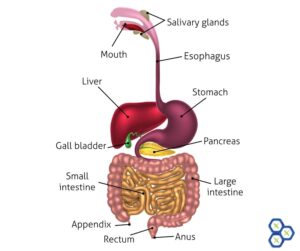
Starvation, conversely, is a state of forced deficiency where the body has exhausted its reserves and begins to break down vital organ tissue. Fasting is a controlled, therapeutic tool. Digestion is a labor-intensive process, often consuming up to 65% of the body’s total energy.
When you initiate a fast, you grant your body a “biological vacation,” redirecting that massive energy reserve toward the immune system, tissue repair, and deep-seated systemic cleansing.
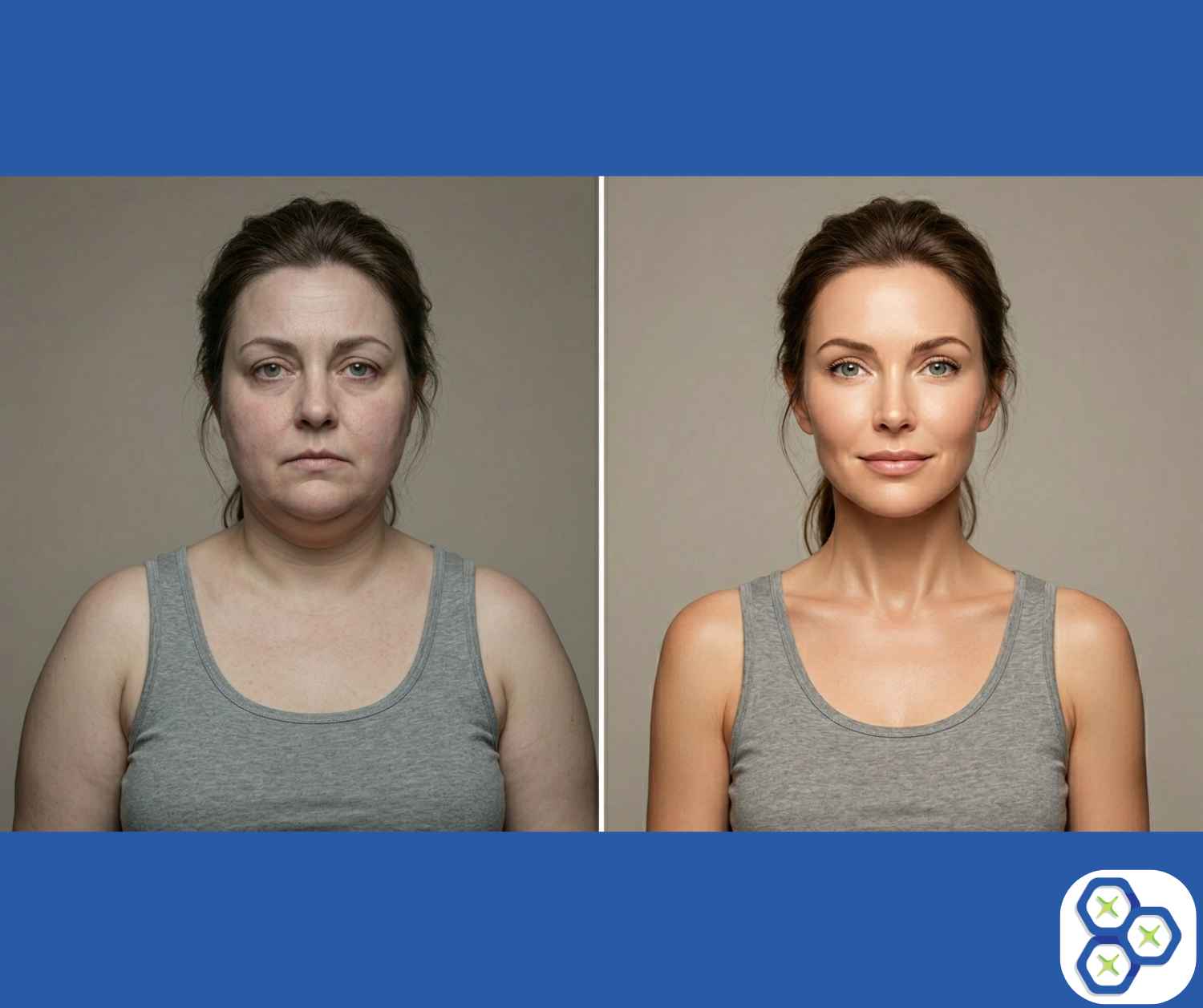
As a nutritional consultant, I have found that the benefits of fasting for weight loss and detoxification offer a biological reset that no supplement or “superfood” can replicate. By looking at the clinical evidence of autophagy and metabolic switching, we can see that fasting is the ultimate act of physiological stewardship.
The History and Evolution of Therapeutic Fasting
Fasting is not a modern health trend; it is a primal instinct hard-coded into our evolutionary history. From the ancient Greek physicians like Hippocrates to the traditional practices of nearly every major world culture, fasting has been utilized as a “Physician Within.” The King James bible verse Matthew 17:21 even instructs healing with “Howbeit, this kind goeth not out, but by prayer and fasting.”
In the modern era, we have moved away from this instinct, leading to a state of chronic metabolic “clogging.” By returning to periodic fasting, we re-align our bodies with the natural rhythms of feast and famine, which trigger survival mechanisms that strengthen our cellular resilience.
This process, known as hormetic stress, is what allows the body to become stronger through controlled periods of challenge.
Metabolic Optimization: Fasting for Weight Loss and Fat Oxidation
Most people seek the benefits of fasting for weight loss and detoxification because of the “metabolic switch.” Under normal circumstances, the human body is a sugar-burner, relying on glucose for its primary fuel. However, the body’s capacity to store glucose (as glycogen in the liver and muscles) is extremely limited, whereas cells are savings accounts for sugar.
The Ketogenic Shift and Lipolysis
Once glycogen stores are depleted, typically between 12 and 24 hours into a fast, the body must find an alternative fuel source. It begins a process called lipolysis, where it breaks down stored body fat into fatty acids and ketones.
This shift into ketosis is the “Golden Key” to weight loss. Unlike calorie-restricted diets, which often slow the metabolism and lead to “weight loss plateaus,” fasting maintains a high metabolic rate. It does this by increasing the production of norepinephrine and human growth hormone (HGH).
Preserving Lean Tissue
A common clinical myth is that fasting will cause the body to “eat its own muscle.” The reality is quite the opposite. During a fast, the body undergoes an “anti-genic” response, specifically increasing HGH to protect lean muscle mass and bone density.
The body is highly intelligent; when fasting, it would rather burn stored fat and recycle old, damaged proteins through autophagy than consume healthy muscle tissue. If one is running on a low-calorie diet, the body will revert to muscle burning (catabolism) as it is a long-term, cleaner source of fuel without the toxic load of fat.
Systemic Detoxification: Clearing the Cellular Debris
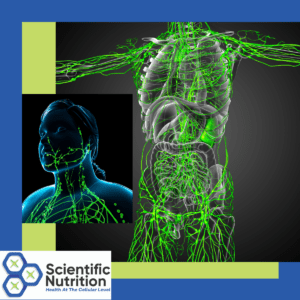
Detoxification is a mechanical necessity for modern health. We are currently exposed to an unprecedented volume of lipophilic (fat-soluble) toxins, ranging from environmental pesticides to heavy metal residues. These toxins are often sequestered deep within our adipose (fat) tissue to protect our vital organs from damage. This is the reason detoxifying safely with coaching is so important.
How Fasting Mobilizes Toxins
When you utilize fasting for weight loss, those fat cells are oxidized for energy. As the fat “melts” away, the stored toxins are released into the bloodstream. This is why fasting is considered the most potent form of detoxification.
However, this release must be managed carefully. The liver, kidneys, lungs, and skin must be supported to ensure these toxins are successfully eliminated rather than recirculated.
Navigating the Healing Crisis
As the body begins to purge waste, you may encounter a “healing crisis”, a temporary period where you feel worse before you feel better. Common signs include:
- Coated Tongue: A sign that the digestive tract is shedding waste.
- Skin Breakouts: Toxins exiting through the largest organ of elimination.
- Temporary Fatigue: As the body redirects energy to internal repair.
- Muscle Aches: Often caused by the release of acidic waste from the tissues.
To manage these transitions effectively, it is essential to understand your current mineral status. A lack of mineral cofactors can slow detoxification enzymes in the liver. For a deeper look at this, read our guide on How HTMA Identifies Cellular Toxicity.
The Role of Autophagy: The Body’s Internal Recycling Program
The most profound of all benefits of fasting for weight loss and detoxification is autophagy. This process, which won the Nobel Prize in Medicine in 2016, is the body’s way of “taking out the trash.”
During autophagy, the body identifies old, dysfunctional, or damaged proteins and cellular organelles. It then breaks these components down and recycles them into new, healthy parts. This is the ultimate anti-aging mechanism!
By clearing out “cellular junk,” fasting rejuvenates your tissues at the most fundamental level, potentially reducing the risk of neurodegenerative and metabolic diseases.
Clinical Benefits for Heart Health and Cholesterol
There is significant clinical evidence that fasting can transform cardiovascular health. Many struggle with high cholesterol, but few realize that up to 80% of the cholesterol in the blood is produced internally by the liver. Fasting provides the liver with a necessary pause, allowing it to regulate lipid production and clear oxidative stress from the vascular system.
The National Institutes of Health (NIH) has published studies showing that periodic fasting can significantly lower triglycerides and improve the ratio of LDL to HDL cholesterol. Furthermore, the Mayo Clinic highlights that the reduction in systemic inflammation during fasting is a primary driver in lowering blood pressure and reducing the risk of heart disease.
Bio-Individual Sourcing: Matching Fasting to Your Metabolic Type
While the benefits of fasting for weight loss and detoxification are scientifically sound, the application must be bio-individual. No two bodies are the same, and what works for a “Fast Oxidizer” may be stressful for a “Slow Oxidizer.”
- Fast Oxidizers: Often require more grounding mineral support and may find that shorter, more frequent intermittent fasts are better for their adrenal health.
- Slow Oxidizers: Often benefit from longer windows of digestive rest to stimulate a sluggish metabolism and clear the accumulation of non-vital tissue.
Without a map of your internal chemistry, fasting can feel like a “puzzle you don’t have the energy to solve.” Knowing your mineral ratios ensures that you are supporting your body’s specific needs during a detox. You can learn more about this in our blog on The Truth About Mineral Ratios and Metabolic Speed.
Types of Fasts: Finding Your Protocol
Depending on your goals and clinical history, there are several ways to tap into these benefits:
- Intermittent Fasting (16:8): The most accessible entry point, providing a 16-hour daily window of digestive rest.
- One Meal a Day (OMAD): A deeper daily fast that aggressively targets insulin resistance.
- Water Fasting (24–72 hours): The “Gold Standard” for triggering deep autophagy and systemic detoxification.
- Juice Fasting: A “Physiological Rest” that provides raw enzymes and vitamins while minimizing the digestive load.
Fasting for Weight Loss and Detoxification FAQ
How do I know if I’m experiencing a healing crisis?
Symptoms like a coated tongue, mild headaches, or fatigue that occur shortly after starting a fast are classic signs of a healing crisis. This indicates that your body is successfully mobilizing waste.
Can I fast if I have a high-stress lifestyle?
Yes, but you must prioritize mineral replacement. Stress depletes magnesium and sodium, which are essential for maintaining your electrolyte balance during a fast.
Does fasting help with “stubborn” belly fat?
Yes. By lowering insulin, the “fat-storage hormone”, fasting allows the body to access the deep visceral fat that is often resistant to exercise alone.
How should I break a long fast?
Gently. Start with mineral-rich bone broth or fermented vegetables to “re-awaken” your digestive enzymes before moving to solid proteins.
Hair Analysis and Fasting for Weight Loss and Detoxification
Fasting is not just a tool for weight loss; it is a tool for reclaiming your metabolic freedom. By allowing your body to step away from the constant burden of processing food, you invite the “Physician Within” to begin the deep work of repair, recycling, and rejuvenation.
Whether you are looking to shed stubborn fat, clear environmental toxins, or optimize your heart health, the clinical evidence is clear. The benefits of fasting for weight loss and detoxification are the foundation of a long, vibrant life.
Are you ready to discover your unique metabolic requirements?
Before you begin a deep detoxification protocol, ensure your cellular foundations are strong. Explore our Hair Tissue Mineral Analysis services to find your unique metabolic map and ensure a safe, successful healing journey.