Microbiome Gut Health and Personalized Diet Solutions: How to Lower Inflammation, Clear Toxins, and Restore Absorption
Optimizing your microbiome gut health requires moving beyond generic diet advice and addressing the specific biochemical drivers of chronic inflammation. By pairing targeted nutrition with Hair Tissue Mineral Analysis (HTMA), you can identify hidden cellular stressors, reduce elevated C-reactive protein (CRP), and clear heavy metal and parasitic burdens that block optimal nutrient absorption. This will reduce if not eliminate inflammation down to the cellular level!
Microbiome Gut Health Key Takeaways
- Why generic “healthy” diets often fail to resolve persistent bloating, brain fog, and chronic fatigue.
- How intestinal permeability drives systemic inflammation and elevates high-sensitivity C-reactive protein (hs-CRP).
- The direct mechanism through which heavy metals and parasitic loads block essential mineral absorption.
- How Hair Tissue Mineral Analysis (HTMA) provides a cellular roadmap for balancing stomach acid, digestive enzymes, and mineral retention.
- Why combining an HTMA-guided mineral protocol with targeted gut restoration is essential for long-term health.
Table of Contents
- Key Takeaways for Gut & Mineral Health
- Understanding the Gut Microbiome and Personalized Nutrition
- Systemic Inflammation and C-Reactive Protein (hs-CRP)
- Heavy Metal Toxicity and Parasites: Barriers to Absorption
- How Hair Tissue Mineral Analysis (HTMA) Guides Personalized Care
- Step-by-Step Action Plan for Gut & Mucosal Recovery
- Frequently Asked Questions About Microbiome Health
- Schedule Your Personalized Mineral Consultation
Understanding the Gut Microbiome and the Need for Personalized Nutrition
Your microbiome gut health depends on a vast, dynamic ecosystem comprising trillions of bacteria, fungi, and micro-organisms residing along the mucosal lining of your gastrointestinal tract. When functioning optimally, these microscopic allies perform essential daily tasks: they break down complex fibers, produce short-chain fatty acids like butyrate, synthesize essential B vitamins and vitamin K, and educate up to 80% of your immune system.
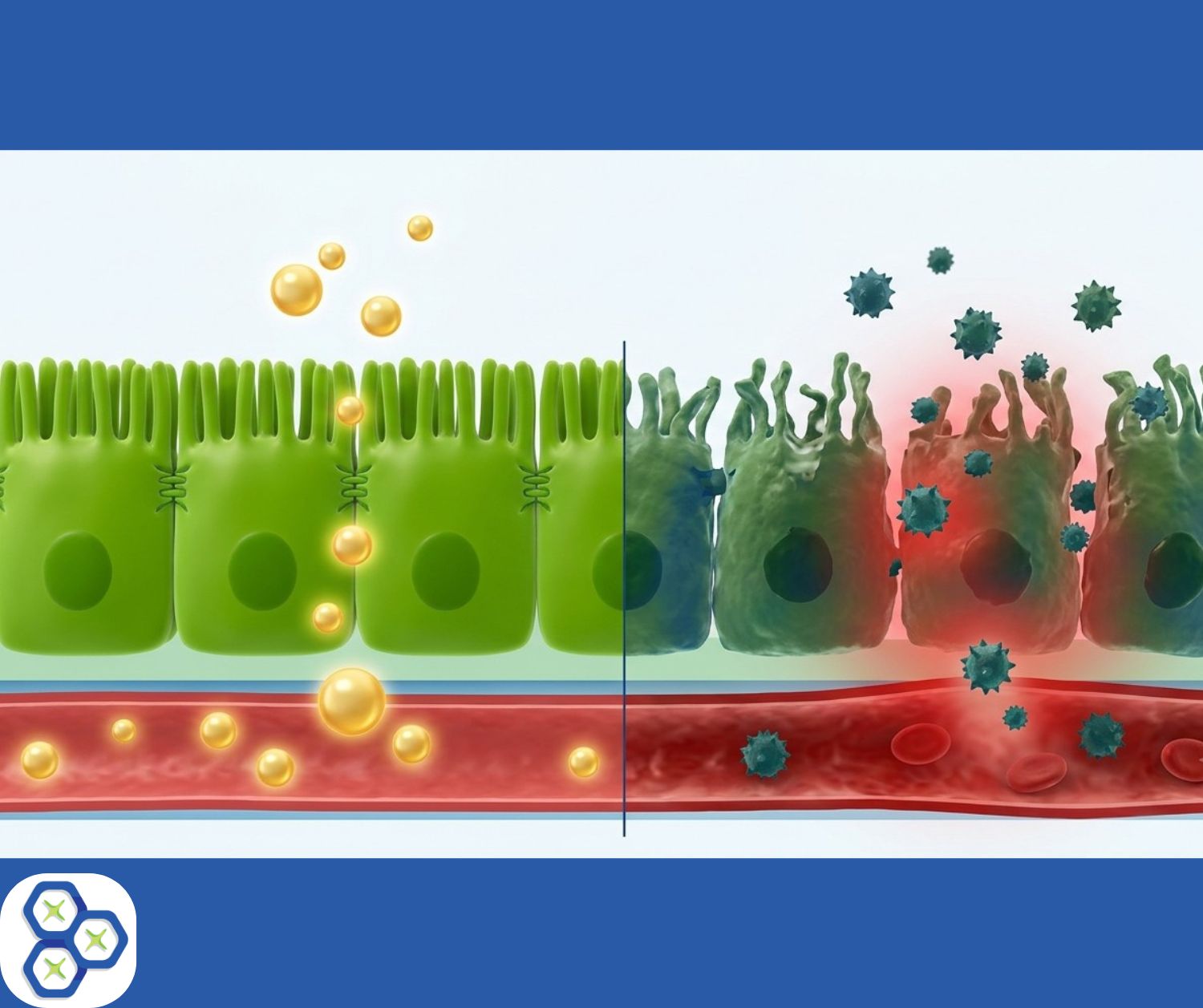
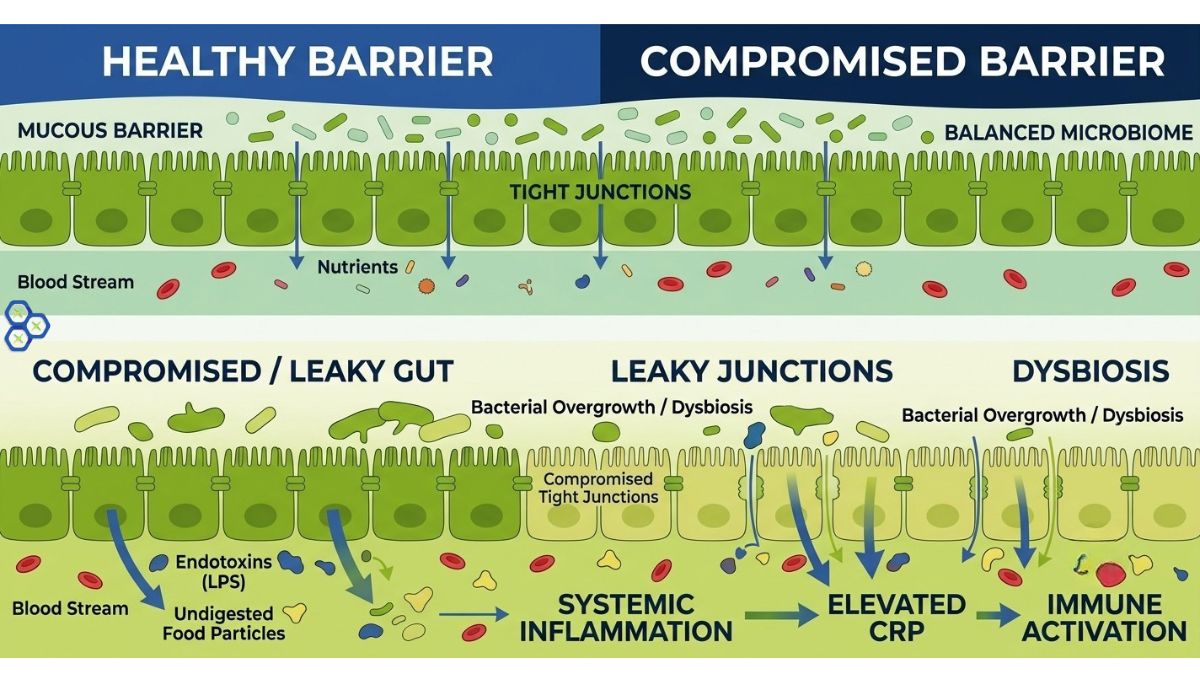
However, when dysbiosis occurs, an imbalance where opportunistic or pathogenic organisms overpower beneficial strains. The consequences extend far beyond local digestive discomfort. Microbial imbalance degrades the intestinal mucosal layer, compromising the tight junctions between intestinal cells. This elevated intestinal permeability, commonly referred to as “leaky gut,” allows undigested food particles, lipopolysaccharides (LPS), and metabolic waste to cross directly into the bloodstream.
Many individuals attempt to resolve these symptoms by adopting popular, highly restrictive elimination diets or taking off-the-shelf probiotic blends. While these approaches may provide temporary relief, they frequently overlook individual biochemical uniqueness.
What serves as a soothing, prebiotic-rich food for one person’s microbial flora can act as a potent fermentable trigger for another. True digestive recovery requires aligning your microbiome gut health and personalized diet choices with your unique cellular mineral patterns, metabolic rate, and enzyme capabilities.
Systemic Inflammation and C-Reactive Protein (hs-CRP): The Gut Connection
When bacterial endotoxins and un-complexed proteins continuously escape a compromised intestinal barrier, the immune system initiates a persistent inflammatory cascade. A primary biomarker used in clinical settings to measure this low-grade systemic activation is C-reactive protein (CRP), evaluated through high-sensitivity C-reactive protein (hs-CRP) testing. Produced by the liver in response to inflammatory cytokines, elevated hs-CRP serves as a critical indicator of ongoing tissue stress.
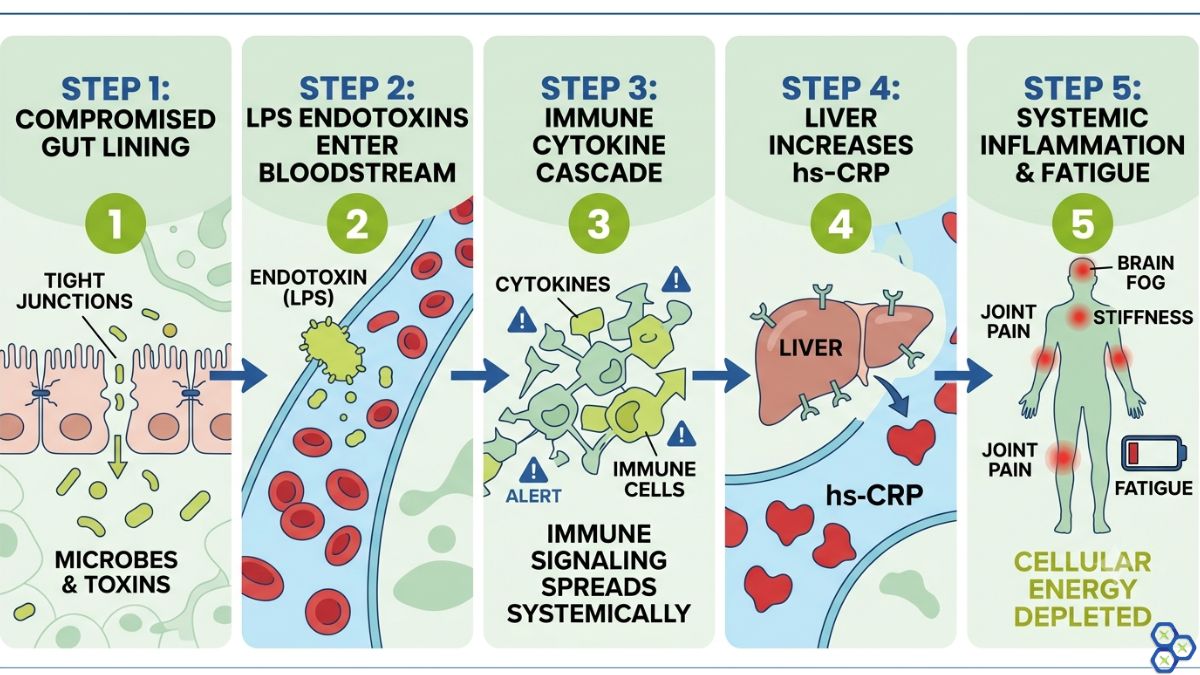
When gut barrier degradation remains unaddressed, the liver is forced into a continuous state of high-alert immune production. This chronic inflammatory state drains cellular energy, disrupts thyroid hormone conversion, and triggers widespread symptoms such as joint stiffness, brain fog, and relentless physical exhaustion.
In our foundational article on the gut-to-brain microbiome connection, we explored how gut microbes directly influence central nervous system signaling and neurotransmitter production. Because over 90% of the body’s serotonin and a significant portion of its dopamine are synthesized within the gut architecture, systemic inflammation triggered by dysbiosis directly impacts mood, sleep cycles, and mental stamina.
Primary Intestinal Triggers of Elevated C-Reactive Protein:
- Lipopolysaccharide (LPS) Translocation: Endotoxins shed by gram-negative bacteria entering circulation through weakened intestinal junctions.
- Bioaccumulated Heavy Metals: Toxins such as lead, mercury, and aluminum provoking oxidative stress along the gut mucosa.
- Hidden Parasitic Load: Low-grade, persistent organisms stealing micronutrients while irritating intestinal villi.
- Un-emulsified Fats & Undigested Proteins: Inadequate stomach acid or bile output leading to putrefaction and fermentation in the small intestine.
To effectively lower systemic inflammation and support healthy C-reactive protein levels, simply suppressing symptoms is insufficient. The underlying intestinal barrier must be repaired, and downstream excretion pathways cleared.
Heavy Metal Toxicity and Parasites: The Unseen Barriers to Absorption
Even the most organic, nutrient-dense diet cannot nourish your cells if your intestinal villi are damaged or occupied by toxic competitors. Two of the most common, yet frequently missed, root causes of chronic malabsorption are bioaccumulated heavy metals and low-grade parasitic infestations.
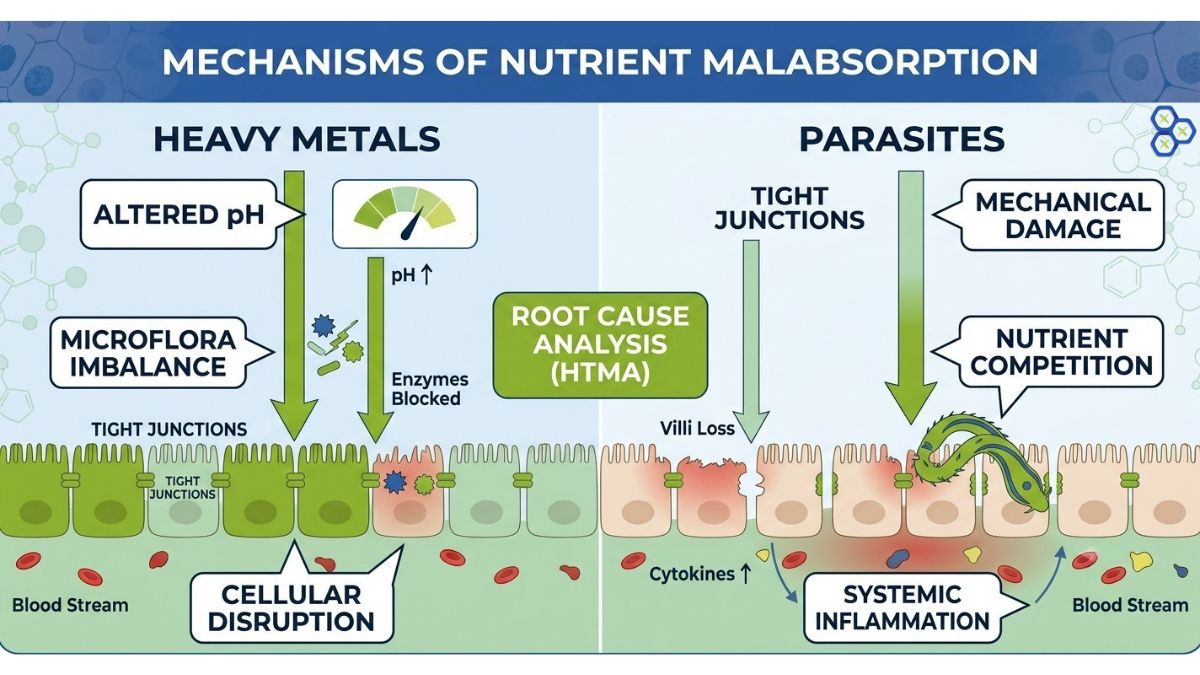
| Stressor Type | Primary Gut Mechanism | Impact on Digestion & Absorption |
| Heavy Metals (Lead, Mercury, Cadmium) | • Alters intestinal pH • Inhibits stomach acid & digestive enzymes | Displaces essential mineral cofactors, alters beneficial microflora, and causes cellular tissue stress. |
| Parasites (Protozoa & Helminths) | • Physically damages absorptive microvilli • Competes directly for host nutrients | Triggers local cytokine release, keeps hs-CRP elevated, and blocks iron, zinc, and fat-soluble vitamin uptake. |
Heavy Metal Accumulation and Intestinal Disruption
Toxic metals such as lead, mercury, cadmium, and aluminum enter our bodies. It can be through municipal water supplies, environmental pollution, dental amalgams, and industrial food processing. Once inside the digestive tract, heavy metals exert a destructive influence on your microbiome gut health:
- Disruption of Microbial Balance: Heavy metals alter the pH and oxidation-reduction potential of the intestinal environment, inhibiting beneficial species like Bifidobacteria while favoring resistant, opportunistic pathobionts.
- Enzyme Inhibition: Toxic metals displace essential mineral cofactors (such as zinc, copper, and manganese) from metabolic enzyme sites, effectively shutting down the production of gastric acid and pancreatic digestive enzymes.
- Mucosal Tissue Damage: By generating continuous oxidative stress, heavy metals damage the delicate microvilli lining the small intestine, impairing the active transport mechanisms required to absorb amino acids and essential minerals.
The Hidden Burden of Parasitic Load
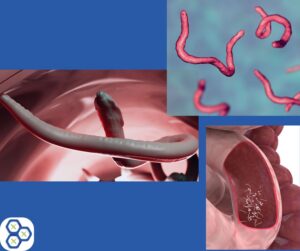
Parasitic organisms, ranging from microscopic protozoa like Giardia and Blastocystis hominis to larger helminths, are far more common than generally recognized. Parasites thrive in stagnant, low-acid digestive environments where bile flow is sluggish. If you drink lemon water, high pH water or a very neutral diet, this can be a big issue!
Once established, parasites compete directly with their host for essential nutrients, particularly iron, zinc, vitamin B12, and fat-soluble vitamins. Furthermore, parasites secrete metabolic waste products that irritate the gut mucosa. This drives local cytokine production (inflammation), maintaining elevated C-reactive protein levels, and keeping the nervous system locked in a defensive state.
When heavy metal toxicity and parasitic burdens remain unaddressed, general nutritional supplementation often yields disappointing results. Supplying high-dose vitamins into an inflamed, toxicity-laden digestive tract can inadvertently feed opportunistic organisms or cause systemic discomfort. Resolving these hidden stressors requires precise functional testing to identify cellular imbalances and guide a structured clearance protocol.
How Hair Tissue Mineral Analysis (HTMA) Unlocks an Individualized Plan
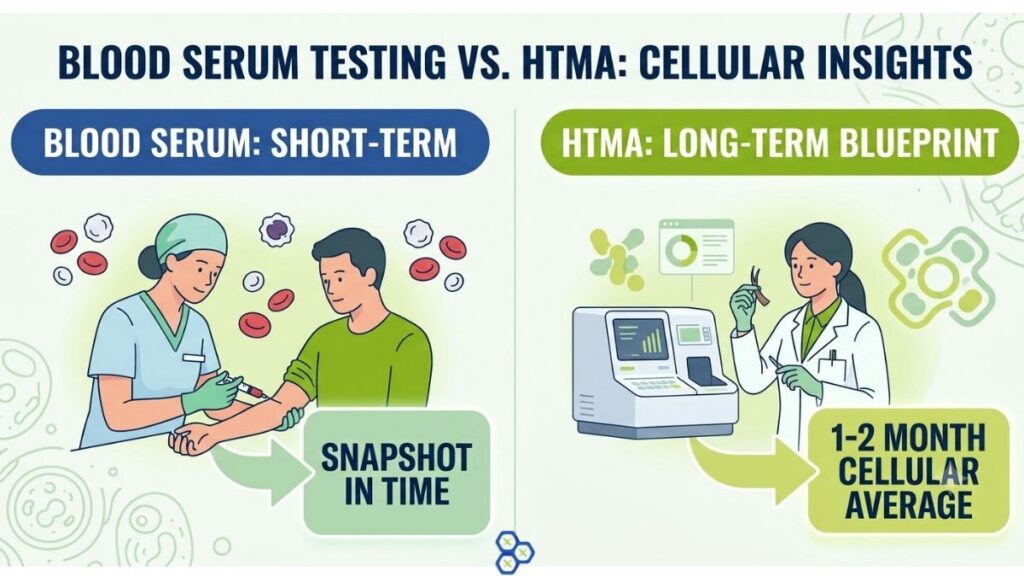
To overcome chronic digestive dysfunction, clear toxic metals, and achieve optimal nutrient uptake, a standardized approach is rarely sufficient. This is where Hair Tissue Mineral Analysis (HTMA) serves as an indispensable clinical tool. While standard blood testing reflects acute, moment-to-moment homeostatic regulation within the bloodstream, HTMA measures mineral deposition and heavy metal accumulation inside cellular tissue over a 3-to-4-month timeframe. This cellular perspective reveals deep metabolic trends, autonomic nervous system orientation, and underlying digestive capacity.
Critical Mineral Ratios Governing Gut Health:
- The Sodium/Potassium (Na/K) Ratio: Known as the primary cellular stress ratio, the Na/K balance directly correlates with adrenal function, tissue inflammation, and hydrochloric acid (HCl) production in the stomach. A low Na/K ratio indicates low stomach acid, reduced digestive capacity, and increased susceptibility to parasitic infections and bacterial overgrowth.
- The Calcium/Phosphorus (Ca/P) Ratio: This ratio reflects an individual’s metabolic oxidation rate. Fast oxidizers burn through nutrients quickly and may experience frequent bowel motility, whereas slow oxidizers exhibit sluggish digestion, reduced enzyme secretion, and biliary stasis.
- The Zinc/Copper (Zn/Cu) Ratio: Zinc is essential for repairing the mucosal lining, maintaining tight junctions, and synthesizing digestive enzymes. Copper, when bio-unavailably elevated or deficient, influences vascular integrity, tissue flexibility, and fungal balance within the gut.
By analyzing these precise mineral relationships alongside toxic metal levels, we can construct a targeted strategy that addresses your specific metabolic needs. For a broader look at how targeted mineral balances support digestive resilience and systemic health, explore our dedicated resource on gut health and mineral balancing.
Combining hair analysis testing with a tailored dietary plan enables us to systematically optimize stomach acid output, enhance bile flow, safely bind heavy metals, and create an environment where beneficial gut bacteria naturally flourish.
Action Steps: Restoring Mucosal Integrity and Systemic Balance
Restoring microbiome gut health and personalised diet harmony requires a methodical, step-by-step approach. Jumping directly into aggressive antimicrobial or heavy metal chelation protocols without first supporting foundational digestive pathways can lead to unnecessary discomfort or detox reactions.
Step 1: Optimize Hydrochloric Acid and Enzyme Secretion
Digestion begins in the stomach. Without adequate hydrochloric acid (HCl), ingested proteins remain partially undigested, passing into the small intestine where they ferment, irritate the intestinal lining, and feed opportunistic bacteria. Utilizing mineral cofactors such as zinc and sodium, guided by HTMA findings, helps restore the body’s natural capacity to produce stomach acid.
Step 2: Support Bile Flow and Liver Detoxification
Bile produced by the liver and stored in the gallbladder serves a dual role: it emulsifies dietary fats for absorption and acts as the body’s natural antimicrobial agent to sweep pathogens through the digestive tract. Incorporating bitter herbs, taurine, and targeted choleretics encourages healthy bile secretion, preventing biliary sludge and supporting Phase II liver detoxification pathways.
Step 3: Implement an HTMA-Guided Personalized Diet
Eliminate processed foods, artificial additives, and refined sugars that feed pathogenic organisms and promote systemic inflammation. Concurrently, introduce nutrient-dense foods tailored to your specific metabolic rate:
- For Slow Oxidizers: Emphasize lean proteins, easily digestible cooked vegetables, and moderate warm complex carbohydrates to stimulate sluggish metabolic pathways.
- For Fast Oxidizers: Incorporate higher amounts of healthy, high-quality fats and proteins to stabilize rapid blood sugar fluctuations and calm tissue inflammation.
Step 4: Safely Bind Toxins and Clear Parasitic Load
Once digestive secretions and elimination pathways are functioning smoothly, gentle systemic binders (such as silica, activated charcoal, or specialized clays) alongside targeted botanical antimicrobials can be introduced. This step systematically reduces heavy metal burdens and clears parasitic activity without overwhelming the kidneys or liver. FIRST, we need to open the elimination pathways so it is safe and comfortable to begin detoxification.
For additional strategies on structured detoxification and maintaining daily wellness, visit our guide on incorporating everyday detox practices.
Frequently Asked Questions About Microbiome Health
How does hair tissue mineral analysis differ from a stool test for gut health?
A comprehensive stool test identifies specific bacterial, fungal, or parasitic species present in the stool at a specific moment in time. HTMA evaluates the underlying cellular environment, showing how your body handles stress, and whether you produce adequate digestive acid. It also shows if bioaccumulated heavy metals are inhibiting mucosal repair. Used together or sequentially, HTMA provides the foundational blueprint for long-term cellular recovery.
Can heavy metal toxicity directly cause elevated C-reactive protein (CRP)?
Yes. Toxic metals such as lead, mercury, and cadmium cause continuous oxidative damage to cell membranes and mucosal tissue. This ongoing cellular irritation prompts the immune system to release inflammatory cytokines, signaling the liver to increase production of C-reactive protein (hs-CRP).
How long does it take to restore the gut microbiome and lower inflammation?
While individual recovery timelines vary depending on heavy metal burden, parasitic presence, and overall vitality, many individuals experience noticeable improvements in digestion, energy, and sleep within 3 to 6 months of starting a structured, HTMA-guided protocol.
Hair Analysis and Your Journey Microbiome Gut Health Root-Cause Healing
If you are dealing with persistent fatigue, unpredictable digestion, or unresolved systemic inflammation, standard remedies will only take you so far. Meaningful, lasting recovery happens when you stop guessing and begin testing.
By identifying your unique cellular mineral patterns and toxic burdens through Hair Tissue Mineral Analysis, we can build a clear, customized nutrition and metabolic roadmap tailored directly to your body’s needs.
- Explore our complete archive of articles on gut health, digestion, and systemic wellness.
- Read our in-depth post on the gut-to-brain microbiome connection to see how gut bacteria directly influence mood and cognitive function.
- Discover simple strategies for daily toxic burden reduction in our guide on everyday detox methods.
- Learn more about clinical research on mucosal barrier integrity and inflammatory biomarkers through the National Center for Biotechnology Information (NCBI).
Are you ready to discover what your cellular mineral patterns reveal about your health?
Schedule your personalized Hair Tissue Mineral Analysis consultation with Lisa Rufsholm, NC today and take the first step toward vibrant energy, balanced digestion, and a deeper level of health.