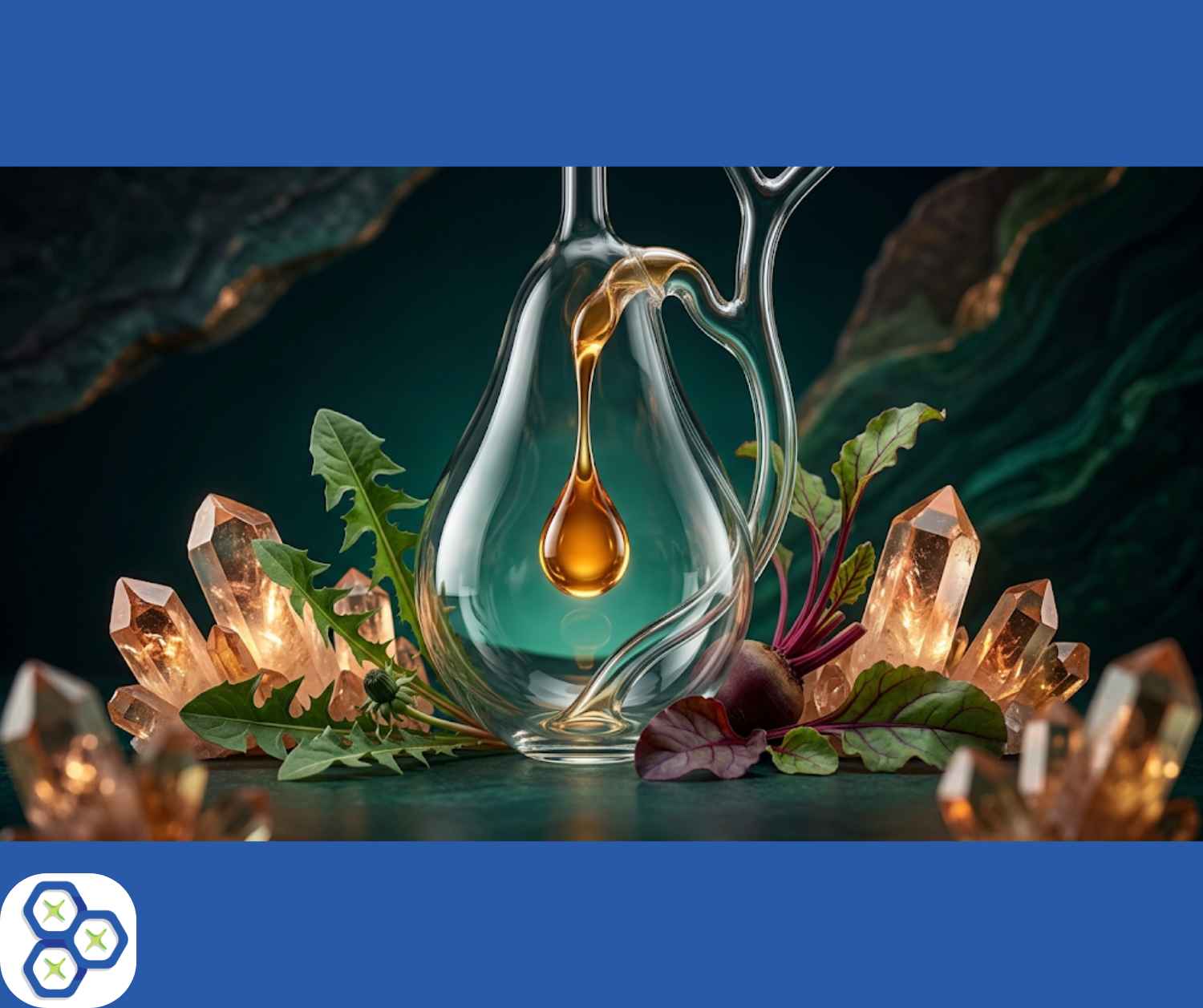
Chances are you’ve never given your gallbladder a second thought until digestive pain, bloating, or gallstones strike. While often dismissed as an optional organ, seeking proactive natural gallbladder support is essential for maintaining smooth fat digestion, hormone clearance, and long-term gut health
Cholecystectomy (the surgery to remove it) is now the most common abdominal operation in the U.S., with over 1.2 million performed every single year. Somewhere along the way, “not essential to survive” turned into “not really needed at all,” and that’s only half true.
Your gallbladder is quietly doing something quite clever behind the scenes. It’s not just a passive little pouch. It’s a complex system that stores and concentrates the bile your liver makes so that your body has a potent, on-demand supply ready the moment you eat something fatty.
When it’s working well, you never notice it. When it doesn’t, it can cause severe pain, and for millions of people each year, it ends up coming out entirely.
So what does this small, overlooked organ do?
Why are so many of us losing it, especially with the rise of GLP-1 weight loss medications?
How can we protect it?
Let’s break it down.
Key Takeaways: What You Need to Know
- Your gallbladder is far more than a disposable pouch: it is an integral guardian of fat digestion, hormone balance, and cellular energy. Whether you are experiencing early digestive red flags, navigating weight loss medications, or recovering from surgery, it is worth giving your digestive system proactive natural gallbladder support today.
- Not an “Optional” Organ: Your gallbladder is a precision tool essential for fat digestion, fat-soluble vitamin absorption (A, D, E, K), hormone clearance, and gut microbiome balance.
- The GLP-1 & Weight Loss Risk: Rapid weight loss and GLP-1 medications force the liver to dump excess cholesterol into bile while slowing organ motility, drastically increasing gallstone risk.
- Surgery Isn’t a Clean Reset: Removal solves acute pain, but 10–15% of patients suffer from ongoing symptoms like post-surgery bile acid diarrhea or persistent bloating.
- Proactive Root-Cause Prevention: Evaluating cellular mineral ratios (like Sodium/Potassium and Calcium/Magnesium) via HTMA helps restore bile flow and stomach acid before permanent damage occurs.
Table Of Contents
- What the Gallbladder Does
- Is Your Gallbladder Trying to Tell You Something? (Symptoms & Triggers)
- Why So Many Gallbladders Are Coming Out
- The GLP-1 Connection: Weight Loss Injections and Gallbladder Failure
- Uncovering the Root Cause: How HTMA Restores Biliary Balance
- Life After the Gallbladder Is Gone
- Can You Really Prevent Gallstones? (Proactive Protocol)
- What About a Plant-Based Diet?
- Herbal and Supplement Support for Bile Flow
- Gut Prebiotic Fiber
- Living Well Without a Gallbladder
- Problem & Solution: Restoring Digestive Equilibrium
- Frequently Asked Questions (FAQs)
What the Gallbladder Does
Understanding why your body needs natural gallbladder support starts with understanding bile mechanics. Tucked beneath your liver, this small, pear-sized organ has one primary job: storing, concentrating, and releasing the bile produced by your liver so your body can efficiently break down and absorb fats.
Your liver produces bile constantly, around 27 to 34 fluid ounces (800 to 1,000 mL) a day, whether you’re eating or not. Between meals, that bile backs up into the gallbladder, which removes water and electrolytes, concentrating it down to 5 to 10 times its original strength. By the time you sit down to a meal with some fat in it, you’ve got a small but mighty reserve of concentrated bile ready to go.
The moment fat hits your small intestine, a hormone called cholecystokinin (CCK) is released. CCK acts as the trigger that tells your gallbladder to contract and release that bile in a concentrated burst.
That concentrated bile floods in and emulsifies fat, cholesterol, and fat-soluble vitamins into smaller molecules, small enough for the pancreatic enzyme lipase to break down. Without that emulsifying step, fat digestion simply doesn’t happen properly.
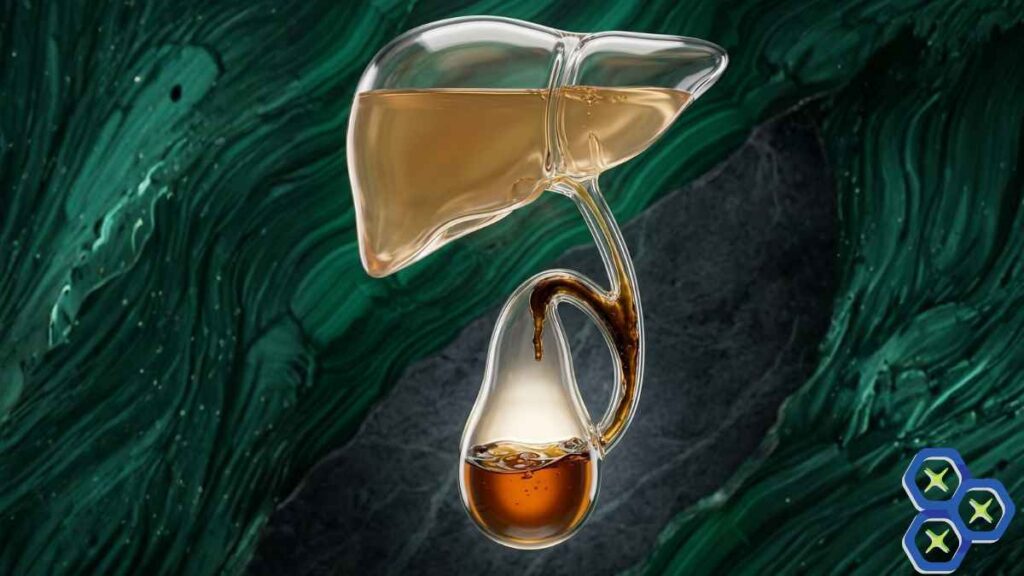
Bile Does Much More Than Digest Fat
Bile is also a critical transport and signaling fluid that:
- Clears Excess Hormones: It is the primary exit route for used hormones like estrogen.
- Supports a Healthy Gut Microbiome: Bile possesses natural antimicrobial and signaling effects on gut bacteria. When bile flow is low or disrupted, it throws off the entire gut ecosystem.
- Enables Vitamin Absorption: It is required to absorb essential fat-soluble Vitamins A, D, E, and K.
Which means a gallbladder that isn’t pulling its weight can quietly show up as chronic fatigue, vitamin deficiencies, estrogen dominance, or a gut that’s just a bit off. It’s often a sign your liver isn’t functioning as well as it should. For a deeper dive into these systemic cascades, read my full post on understanding the systemic side effects of gallstones.
Is Your Gallbladder Trying to Tell You Something?
Gallbladder distress rarely appears out of nowhere. Long before a severe gallstone attack lands someone in the emergency room, the body sends subtle signals that bile flow is becoming sluggish, thick, or congested. Unfortunately, many people dismiss these early red flags as simple “indigestion” or a normal part of aging. However, recognizing these early warnings allows you to seek natural gallbladder support before permanent damage or surgery occurs.
Watch For:
Here are the most common signs that your gallbladder is struggling to perform its job:
- Upper Right Quadrant Discomfort: Pain, tightness, or a dull ache right under your ribcage on the right side, which can radiate upward to your right shoulder blade or upper back. Pain that worsens when taking a deep breath. It may be a feeling of pressure that won’t shift.
- Post-Meal Bloating and Heavy Indigestion: Feeling overly full, nauseous, persistent fullness, or uncomfortably excess upper abdominal gas within 30 to 60 minutes after eating meals containing greasy fats or even healthy fats.
- Changes in Stool Color and Consistency: Pale, clay-colored, or floating stools signal that bile is not entering the small intestine properly, while chronic loose stools or unexplainable constipation can indicate bile acid imbalances.
- Fat-Soluble Vitamin Deficiencies: Dry skin, poor night vision, or persistently low vitamin D levels despite supplementation, which occurs when your body cannot break down and absorb fat-soluble vitamins (A, D, E, and K).
- Unexplained Nausea or Acid Reflux: Ongoing morning nausea or heartburn, stomach burning that fails to resolve with typical acid-reducing strategies, and indigestion.
Silent Sludge vs. Acute Gallstone Attacks
When bile sits stagnant in the gallbladder, it begins to crystallize into “biliary sludge”, a thick mixture of cholesterol, bile salts, and bilirubin. Over time, this sludge forms solid gallstones. Left unaddressed, a stone can temporarily or fully block the bile duct, causing an excruciating condition known as biliary colic.
Catching these symptoms during the early congestion or “sludge” phase provides the best window for root-cause recovery. Listening to these early warnings gives your body the exact cellular and dietary support it needs to restore fluid, free-flowing bile before acute complications arise.
Food Triggers vs. Food Sensitivities
It’s worth knowing that if you have existing gallbladder issues, known food sensitivities (like wheat or dairy) won’t cause gallstones, but they can trigger painful attacks. Eggs, onions, and pork are particularly common irritants for many people with gallbladder problems. If you’re experiencing symptoms, try eliminating these specific foods and noting any changes.
Urgent Red Flags
Some symptoms require prompt medical care: fever with chills, persistent vomiting, jaundice (yellowing skin or eyes), or stools that turn pale, clay-colored, or grey.
Why So Many Gallbladders Are Coming Out
There are five main ways a gallbladder causes trouble:
- Gallstones: Hardened deposits blocking fluid flow.
- Biliary Colic: Where a stone temporarily lodges in the gallbladder’s opening and triggers painful spasms lasting 1 to 5 hours as the body tries to dislodge it.
- Cholecystitis: Severe inflammation of the gallbladder wall, often following repeated colic attacks. Belly pain or radiating chest pain can occur.
- Functional Emptying Failure (Biliary Dyskinesia): Where the organ fails to contract properly.
- Post-Surgery Complications: Ongoing diarrhea after removal.
The Numbers Behind Gallstones
Gallstones are by far the most common culprit. In the U.S. alone, an estimated 20 million people are living with gallstones. Gallbladder disease affects approximately 1 in 6 women compared to 1 in 13 men.
This massive gender gap is largely explained by estrogen’s effect on cholesterol levels in bile, which is why pregnancy, oral contraceptive pills, and hormone replacement therapy (HRT) all raise risk. This does not eliminate men from gallbladder challenges, as there are many more causes.
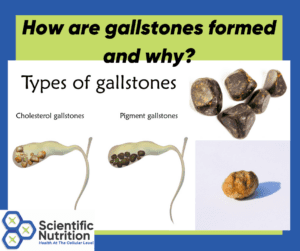
Gallstones are not all identical:
- Cholesterol Stones (~75% of cases): Formed when bile carries too much cholesterol relative to the bile salts and phospholipids needed to keep it dissolved.
- Pigment Stones (~25% of cases): Made of calcium bilirubinate, usually tied to liver distress or red blood cell breakdown.
The Biliary Dyskinesia Epidemic
Then there’s a second, less talked-about category driving a growing share of gallbladder removals: biliary dyskinesia, where the gallbladder fails to empty properly even when there are no physical stones present.
This now accounts for 10% to 20% of adult gallbladder removals and up to half of removals in children, a category that barely existed a generation ago. Interestingly, this rise appears to be a largely American phenomenon, raising a fair question: Is this a genuine rise in organ failure, or a rise in how quickly we reach for surgery?
What Tips Someone Toward Gallstones?
- Diets heavy in refined carbs, added sugar, and saturated fats.
- Diets low in fiber.
- Rapid weight loss (crash dieting causes the liver to dump excess cholesterol into bile faster than the gallbladder can cope).
- Obesity, insulin resistance, and type 2 diabetes.
- Environmental toxins and heavy metals.
- Certain prescription drugs and alcohol.
- Viral hepatitis and biliary tract infections (especially E. coli).
- Anything that stresses the liver.
To understand how these metabolic shifts damage long-term wellness, explore my guide on how gallstones impact your overall health and metabolic balance.
The GLP-1 Connection: Weight Loss Injections and Gallbladder Failure
A rapidly growing driver of gallbladder surgery today is the widespread use of GLP-1 receptor agonist medications and weight loss injections. While these medications are effective for rapid weight loss, clinical research confirms they carry a significantly heightened risk of acute gallstones, biliary sludge, and sudden gallbladder failure.
Why are so many individuals on GLP-1 therapies losing their gallbladders?
Excessive Cholesterol Dumping:
GLP-1s trigger rapid fat breakdown. This forces the liver to mobilize and dump massive amounts of cholesterol into bile, causing fast-forming cholesterol crystals.
Sluggish Motility (Severe Bile Stasis):
GLP-1 medications work by slowing down gastrointestinal emptying. Unfortunately, they also inhibit gallbladder contractions. When bile sits stagnant for weeks without emptying completely, it thickens into sludgy stones. For individuals taking weight loss injections, targeted natural gallbladder support is critical to prevent severe bile stasis and keep bile moving before emergency intervention becomes necessary.
Lack of Dietary Fat Signaling:
Extreme appetite suppression often leads people to skip meals or cut fats almost entirely. Without fat entering the small intestine, the hormone CCK is never triggered, leaving concentrated bile trapped in the gallbladder.
Uncovering the Root Cause: How HTMA Restores Biliary Balance
Standard blood work often comes back “normal” right up until a gallbladder crisis occurs, because standard lab panels rarely measure what is happening inside your cells. Hair Tissue Mineral Analysis (HTMA) offers a cellular path to natural gallbladder support by revealing key mineral ratios and metabolic patterns that directly govern digestive performance.
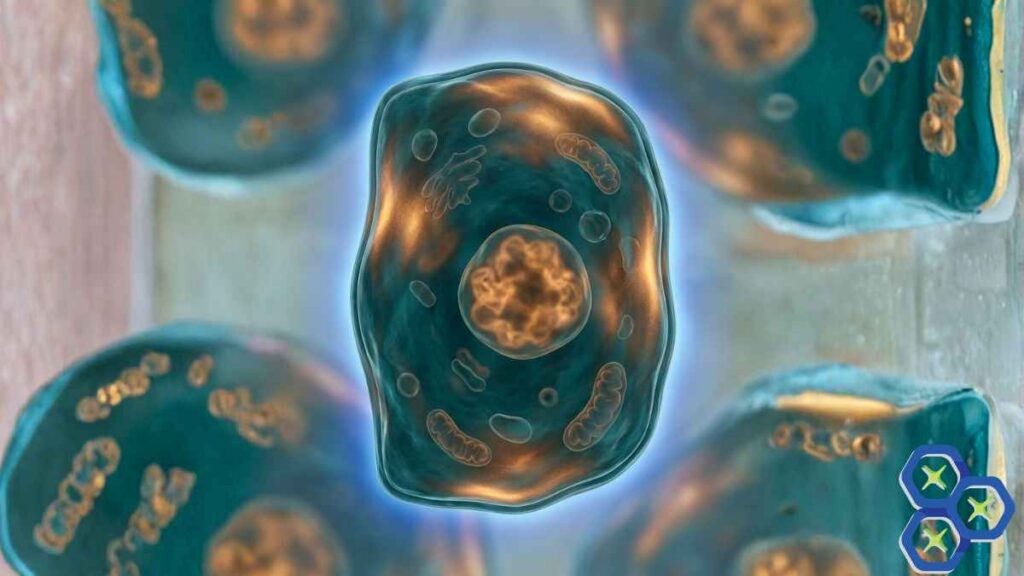
Rather than guessing with generic dietary rules, HTMA allows us to evaluate the cellular foundation required for healthy liver and gallbladder function:
1. The Sodium/Potassium Ratio (Na/K) & Stomach Acid
Sodium to Potassium Ratio (Na/K): Indicates adrenal vitality and cellular stress. A low Na/K ratio often reflects sluggish liver function and diminished stomach acid production (hypochlorhydria). Without sufficient stomach acid entering the duodenum, the signal to contract the gallbladder and release bile is severely muted, leading to chronic indigestion and fat malabsorption.
2. Calcium/Magnesium Balance & The Sphincter of Oddi
Calcium to Magnesium Ratio (Ca/Mg): Governs muscle tone and tissue rigidity. Calcium contracts muscles; magnesium relaxes them. The Sphincter of Oddi is the muscular valve controlling the release of bile into your intestine.
When tissue calcium is high relative to magnesium, this valve can suffer chronic spasms, backing up bile into the liver and gallbladder and causing severe upper abdominal pressure. Imbalances in this ratio can lead to spasms or sluggish relaxation of the bile duct sphincters, contributing to physical bile backup.
3. Heavy Metal Toxicity
Heavy Metal Interference: Heavy metals like aluminum, lead, or mercury displace essential minerals and place immense stress on Phase I and Phase II liver detoxification pathways. The liver manufactures bile, so having heavy metal stress turns bile thick, sludgy, and toxic, compromising bile composition and flow.
By addressing these mineral imbalances at the cellular level, an individualized HTMA protocol restores the metabolic signal your body needs to produce clear, free-flowing bile naturally.
Life After the Gallbladder Is Gone
For most people, life after gallbladder removal looks close to normal. The liver keeps making bile regardless, it just drips continuously and in a more dilute form straight into the small intestine, rather than arriving in a concentrated burst on demand. Most people adapt within 3 to 6 months, and dietary restrictions tend to ease over that window.
It’s not always a clean fix, though:
- Postcholecystectomy Syndrome: An estimated 10% to 15% of patients develop ongoing bloating, gas, nausea, or stomach pain that can persist for months or years.
- Bile Acid Diarrhea (BAD): The most common long-term complaint. Without storage, unbuffered bile drips into the intestine continuously, speeding up gut transit and irritating the intestinal lining (especially after fattier meals). Bile acid sequestrants like cholestyramine are sometimes prescribed to bind excess bile. I have a fix!!
- Persistent Pain: Longer-term studies put persistent abdominal pain somewhere between a fifth and a third of patients years out from surgery (though most report they are still glad they had the procedure).
- Colorectal Cancer Risk: Emerging research suggests a possible link to right-sided colorectal cancer, tied to how bile acid rhythms and gut bacteria shift post-surgery.
None of this means removal is the wrong call when genuinely needed. It just means it’s worth knowing what you’re trading, not only what you’re fixing.
Can You Really Prevent Gallstones? (Natural Gallbladder Support Protocol)
Preventing biliary congestion isn’t about avoiding fat, it is about restoring the body’s natural mechanics so that fat can be processed safely and efficiently. A proactive protocol focuses on three primary pillars:
- Fiber: Aim for 30+ grams a day from whole grains, vegetables, fruit, and legumes to clear excess cholesterol before it can concentrate in bile. I can also help with supplementation if you have discomfort when ingesting a lot of fibrous foods.
- Coffee (The Nuance): Regular coffee drinkers show lower gallstone risk across large studies because caffeine keeps bile moving. Important nuance: If you already have gallstones, caffeine’s stimulating effect on gallbladder contraction can potentially trigger an attack. “Coffee helps prevent stones” and “caffeine can aggravate existing stones” do not contradict each other, they simply apply at different stages!
- Vitamin C: Linked to a strong protective effect due to its role in converting cholesterol into bile acids and reducing oxidative stress. It is good for those who’ve had it removed or to aid in lowering cholesterol levels.
- Avoid Liver Stressors: Cut heavily processed foods, preserved meats, alcohol, and unnecessary chemical burdens.
- Steady Weight Loss: Choose slow, consistent progress over crash dieting to prevent cholesterol spikes in bile.
- Movement: 2 to 3 hours of exercise per week is linked to roughly 20% lower odds of ever needing gallbladder surgery. Exercise improves hyperinsulinemia; swapping refined carbs for unrefined ones lowers plasma insulin levels and protects bile quality.
- Healthy Fat Intake: Avoiding fat altogether is one of the worst things you can do for gallbladder health. Eating healthy fats (like olive oil, avocado, flaxseeds, hempseeds, and walnuts triggers the release of cholecystokinin (CCK), the hormone that prompts your gallbladder to empty regularly.
- Brassica Vegetables: Broccoli, cabbage, cauliflower, Brussels sprouts, and kale support liver detox enzymes. Cruciferous vegetables are also great cancer fighters.
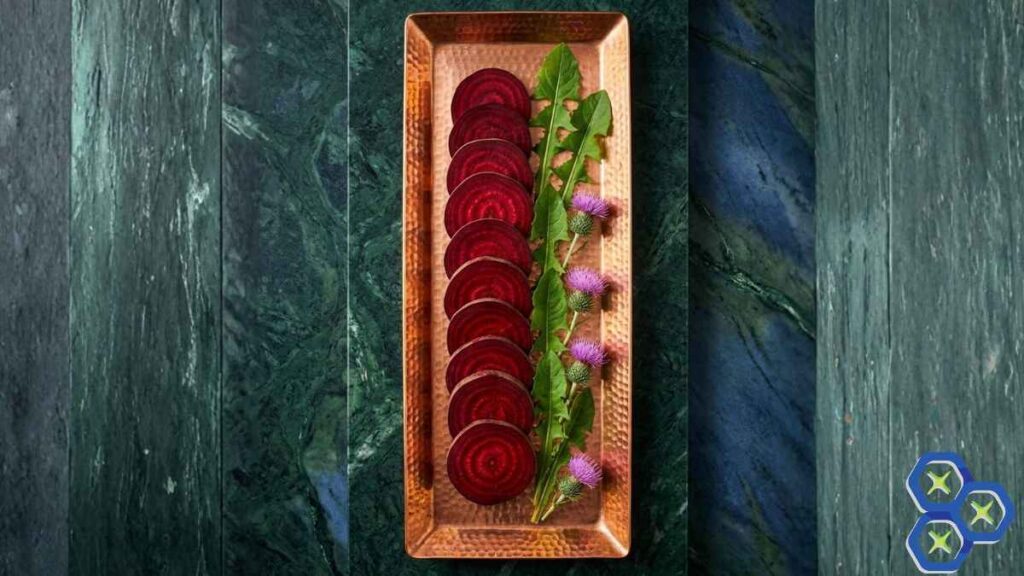
- Beets & Artichokes: Both nourish and strengthen the liver. Artichoke is a bitter food that actively stimulates bile production and release. Other helpful bitters include arugula and dandelion greens. Bitter foods also act as a natural antiparasitic.
- Complete Protein: Supplies the essential amino acids your liver requires for Phase II detoxification.
- Sulfur-Rich Foods: Garlic and onions support the body’s sulfation detox pathway.
- Meal Cadence: Smaller, more frequent meals ease digestive load.
- Hydration & Fluid Dynamics: Bile is composed of over 85% water. Chronic low-grade dehydration thickens bile into sludge. Drink 8 to 10 glasses of clean spring water daily to keep your bile fluid (such as spring water or short-term distilled water protocols), which ensures bile maintains proper liquidity.
- Optimizing Stomach Acid: Adequate stomach acid is required to signal bile release. Supporting stomach acid with digestive bitter herbs or betaine HCl ensures the chemical cascade of digestion stays on track.
What About a Plant-Based Diet?
Dietary choices play an immense role in how cholesterol is metabolized by the liver. Research shows that shifting toward plant-forward meals offers foundational natural gallbladder support by binding excess cholesterol in the digestive tract before it can concentrate in bile.
There is compelling scientific evidence here. A prospective study published in Nutrients followed almost 5,000 participants and found that vegetarian diets were associated with a significantly reduced risk of gallstone disease in women. High-fiber foods, soluble plant sterols, and antioxidants help modulate hepatic cholesterol secretion, maintaining a healthy ratio of bile acids to cholesterol.
Women consuming a non-vegetarian diet had an increased risk compared to vegetarian women. Furthermore, women with high cholesterol on a non-vegetarian diet had almost four times the risk of gallstones compared to vegetarian women with normal cholesterol levels.
Vegetarian diets are higher in fiber (which binds excess cholesterol), lower in saturated fats, and protective against insulin resistance. You don’t have to go fully vegetarian, simply shifting toward more plant-forward meals, legumes, vegetables, and whole grains moves the needle in the right direction.
Herbal and Supplement Support for Bile Flow
When bile flow needs immediate encouragement, targeted herbal protocols provide powerful natural gallbladder support to keep bile flowing freely and break up congestion:
- Dandelion: A traditional liver/bile herb that stimulates bile production and gallbladder contraction. Evidence suggests it may help prevent or slowly dissolve small stones over time. Leaves work in salads or tea; roasted dandelion root makes an excellent coffee substitute too.
- Milk Thistle: Promotes healthy bile flow and protects liver cells. (Note: If you have diagnosed diabetes, check with your doctor first as it can influence blood sugar management).
- Beet Root & Beet Greens: Rich in betaine, which thins bile, supports liver detoxification, and reduces biliary stagnation.
- Turmeric (Curcumin): Stimulates gallbladder contraction and bile secretion. (Contraindicated if you have active gallstones or bile duct obstruction, as forced contraction can lodge a stone in the duct).
- Globe Artichoke: Contains bitter caffeoylquinic acids that stimulate bile flow and fat breakdown.
- Oregon Grape: Rich in berberine, which stimulates liver and gallbladder secretory activity. If on a statin, ask your doctor about interactions.
- Burdock Root: A protective liver tonic with a rich history of traditional digestive use.
- Rosemary: Supports bile flow and eases spasms in the bile duct. Especially useful when cooked into fattier dishes.
- Ox Bile and Digestive Enzymes: For individuals with sluggish bile or those who have already had their gallbladder removed, supplemental ox bile provides the exact bile salts necessary to break down fats and absorb fat-soluble vitamins without straining the digestive system.
These are best guided by a qualified coach and HTMA practitioner such as myself.
Gut Prebiotic Fiber
To keep bile acids moving smoothly through the intestines and support healthy gut microbe balance, targeted prebiotic fiber is essential. A good supplement also includes ingredients such as soothing slippery elm bark, which provides foundational digestive support.
It will:
- Supports gut microbiome health and microbe balance.
- Promotes regular bowel movements to excrete bound cholesterol.
- Promotes a healthy metabolic response and supports blood sugar balance.
To explore our complete breakdown of digestive enzymes, ox bile formulas, and liver tonics, read our guide on targeted nutritional products for digesting fats and liver support.
Living Well Without a Gallbladder
If yours is already gone, there is plenty you can do to manage post-removal symptoms like bile acid diarrhea:
- Favor Easy-to-Digest Fats: Choose hemp, flaxseed, and avocado oil over fried foods, pastries, and fatty deli meats. Introduce fats gradually.
- Keep Fiber Intake High: Eat plenty of fruit, vegetables, whole grains, and legumes to absorb unbuffered bile.
- Support Your Liver Daily: Incorporate beets and artichokes liberally, your liver is now handling bile delivery without a storage partner!
- Cut Back Alcohol & Refined Sugar: Avoid overloading your liver’s detox pathways.
- Again, Stay Hydrated: Drink 8 to 10 glasses of water daily.
- The Lemon / Apple Cider Vinegar Trick: Add a splash of fresh lemon juice or raw ACV to water before meals. Acidic foods slow stomach emptying and help emulsify fats in the absence of concentrated bile. Do NOT use this if you are actively detoxifying, as it will allow heavy metals to cross your blood-brain barrier!
- Eat Smaller Meals: Eases the workload on continuous, dilute bile flow.
- Consider Ox Bile & Enzymes: Supplemental ox bile can restore missing bile concentration during meals. I have superior recommendations that do the heavy lifting of your missing gallbladder.
- Be Mindful of Food Sensitivities: Without a gallbladder, your digestive margin for error is smaller. Trigger foods may cause more noticeable reactions than before.
Problem & Solution: Restoring Digestive Equilibrium
Achieving long-term digestive equilibrium requires moving past quick-fix symptom management. Applying targeted natural gallbladder support directly addresses the underlying breakdown:
| Common Digestive Symptom | Hidden Root Cause | Targeted Natural Solution |
| Upper Right Abdominal Pain After Fat | Sluggish bile flow, thick biliary sludge, or poor gallbladder contraction. | Incorporate bitter greens, hydration, reduce refined fats, lecithin, and assess mineral ratios via HTMA. |
| GLP-1 Weight Loss Gallbladder Pain | Rapid fat loss dumping cholesterol into bile combined with reduced gallbladder motility. | Maintain moderate fat intake, stay hydrated, and use bile-thinning nutrients like Vitamin C and lecithin. Use cellular HTMA balancing |
| Post-Surgery Diarrhea / Urgency | Unbuffered bile constantly dripping into the intestine, speeding up transit. | Increase soluble prebiotic fiber (slippery elm, psyllium) and consider bile-binding protocols. |
| Vitamin A, D, E, K Deficiencies | Lack of concentrated bile emulsification preventing fat-soluble vitamin breakdown. | Utilize ox bile supplements, lipase enzymes, and support Phase II liver detox pathways. |
Frequently Asked Questions (FAQs)
Why are GLP-1 medications causing so many gallbladder removals?
GLP-1 injections cause rapid weight loss, flooding bile with cholesterol. Simultaneously, they decrease gallbladder motility. This combination causes bile to sit stagnant, forming sludgy gallstones that frequently lead to acute surgery.
Can gallstones dissolve naturally?
Small cholesterol-based gallstones and biliary sludge can sometimes soften and clear when liver function, bile acid concentration, inflammation decrease, and gallbladder motility improves. Calcified pigment stones rarely dissolve naturally, making early proactive prevention essential.
Can I still digest fat if my gallbladder has been removed?
Yes, but your liver continuously drips un-concentrated bile into your intestines rather than releasing a concentrated surge when you eat. Supplementing with ox bile and digestive enzymes with fat-containing meals helps take over this role.
How does HTMA testing provide natural gallbladder support?
HTMA identifies cellular mineral ratios (like Sodium/Potassium and Calcium/Magnesium) that directly control stomach acid production, autonomic nervous system balance, heavy metal toxicity, and tissue motility, enabling a completely customized recovery plan before permanent organ damage occurs.
Should I stop eating fat if I have gallbladder pain?
No. Completely avoiding fat worsens gallbladder health in the long-term because the organ never receives the signal to contract. Bile sits motionless, growing thicker and forming stones. Temporarily reducing heavy, fried, or poor-quality fats can reduce acute discomfort. However, healthy fats are necessary to force the gallbladder to contract. Eat smaller amounts of clean, healthy fats (avocado, olive oil) rather than elimination.
Hair Analysis and Natural Gallbladder Support
Your gallbladder is easy to overlook until it isn’t working, but it’s far from a redundant afterthought. Losing it doesn’t end your body’s relationship with bile, it just changes it, and for a meaningful number of people, that change comes with real, ongoing trade-offs.
Given how closely gallstone risk tracks with everyday diet, metabolic health, GLP-1 usage, and cellular mineral balance, there is a powerful opportunity for prevention. Most people never hear about them until they end up on the operating table.
If you carry risk factors, such as family history, recent rapid weight loss, GLP-1 use, hormonal shifts, or insulin resistance. It is worth giving your gallbladder proactive attention now.
Are you ready to uncover your cellular mineral status and protect your digestive health? Schedule your Hair Tissue Mineral Analysis (HTMA) assessment today to receive a custom protocol tailored to your body’s unique needs.
Disclaimer: The content on this website is for educational and informational purposes only and is not intended as medical advice, diagnosis, or treatment. Information shared here is designed to support general wellness and health education and does not establish a formal practitioner-client relationship. Statements on this site have not been evaluated by the Food and Drug Administration (FDA) and are not intended to diagnose, treat, cure, or prevent any disease. This content is not a substitute for medical care. If you have a specific medical condition, take prescription medications, or require a medical diagnosis, please consult a licensed physician or primary healthcare provider. Always seek professional medical guidance regarding acute or underlying health conditions. If you believe you are experiencing a medical emergency, please call 911 or contact emergency services immediately.