

By Lisa Rufsholm, NC – Certified Nutritional Consultant & HTMA Expert at Scientific Nutrition, LLC
What causes high blood pressure often remains a mystery in conventional medicine, where symptoms are managed with daily medication while the underlying root causes. This includes tissue-level mineral imbalances, heavy metal accumulation, and cellular stress that go completely undetected.
While millions are told that rising arterial force is simply an inevitable part of aging or genetic luck, the physical reality inside your blood vessels paints a very different picture. To truly lower cardiovascular strain and protect long-term health, you have to look beyond serum blood tests. More importantly, you must understand how cellular electrolytes like sodium, potassium, calcium, and magnesium directly control vascular tension.
Key Takeaways
- Systolic vs. Diastolic Pressure: Systolic blood pressure measures arterial force during heart contractions, while diastolic blood pressure measures resting pressure between beats.
- Beyond Symptom Management: Standard blood pressure medicine manages systemic arterial numbers but fails to fix underlying root causes like tissue-level electrolyte imbalances or heavy metal toxicity.
- Safety Concerns: Blood pressure recall alerts and pharmaceutical side effects underline the necessity of tracking tissue-level mineral balance alongside medical care.
- The Root-Cause Test: Hair Tissue Mineral Analysis (HTMA) reveals key cellular ratios (like Sodium-to-Potassium and Calcium-to-Magnesium) that govern vascular constriction and arterial elasticity.
Table of Contents
- Understanding Blood Pressure: Systolic vs. Diastolic Pressure
- What Is Normal Blood Pressure? Ranges & Diagnostic Standards
- Recognizing the Signs of High Blood Pressure: The Silent Danger
- What Causes High Blood Pressure? Root Causes Beyond Genetics
- Blood Pressure Medications & Medicine: Classes and Mechanisms
- Side Effects of High Blood Pressure Medications & Blood Pressure Recall Alerts
- The HTMA Connection: How Tissue Minerals Control Vascular Tone
- Frequently Asked Questions (FAQ)
- Clinical Integrity & Author Qualifications
- Hair Analysis and What Causes High Blood Pressure: Take Control of Your Cardiovascular Health Today
Understanding Blood Pressure: Systolic vs. Diastolic Pressure
Blood pressure is the hydrostatic force exerted by circulating blood against the internal walls of your arterial blood vessels. Expressed in millimeters of mercury (mmHg), a reading consists of two distinct numbers that reflect cardiac performance and arterial resistance:
Systolic Blood Pressure
Systolic blood pressure represents the top number in a standard reading. It measures the peak pressure generated inside your arteries when your heart’s left ventricle contracts and pumps oxygenated blood into systemic circulation. High systolic blood pressure indicates elevated tension, increased fluid volume, or reduced elasticity in the major arteries during active contraction.
Diastolic Blood Pressure
Diastolic blood pressure represents the bottom number in a reading. It measures the resting force inside your blood vessels between heartbeats, while the cardiac muscle relaxes and refills with blood. Elevated diastolic blood pressure points to persistent resistance and chronic tightness in the smaller peripheral blood vessels (arterioles).
What Is Normal Blood Pressure? Ranges & Diagnostic Standards
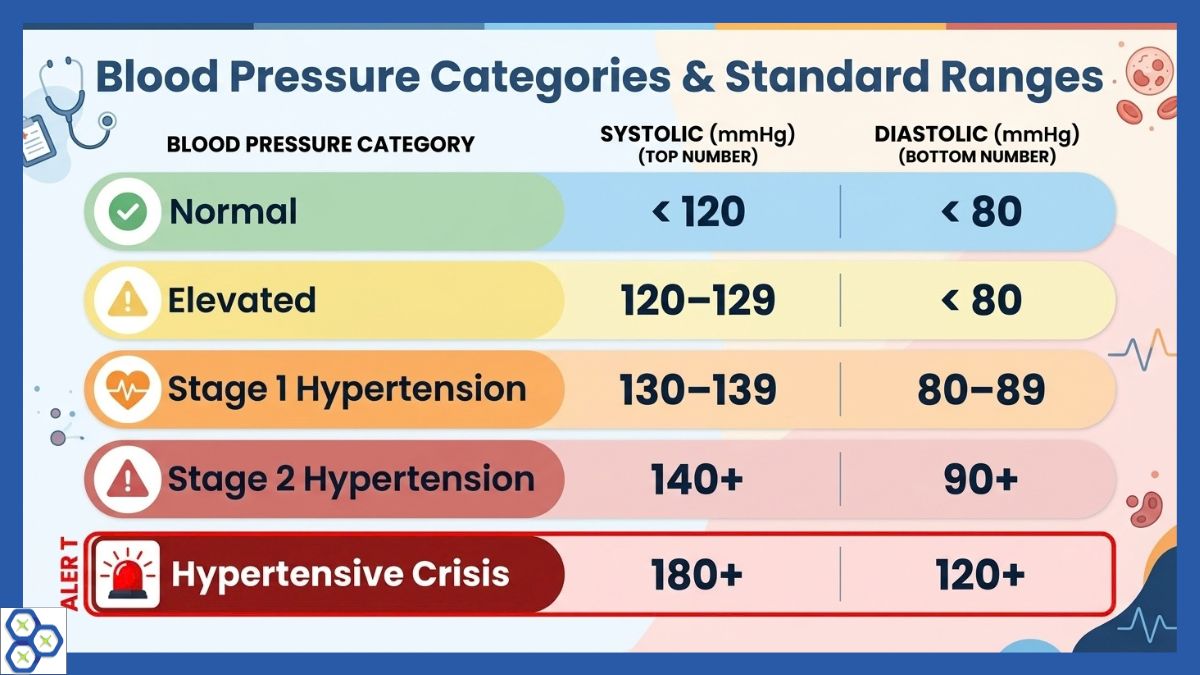
To evaluate cardiovascular health, medical guidelines from the American Heart Association (AHA) and American College of Cardiology (ACC) categorize readings into clear clinical tiers:
| Blood Pressure Category | Systolic Blood Pressure (mmHg) | Diastolic Blood Pressure (mmHg) | |
| Normal | Less than 120 | AND | Less than 80 |
| Elevated | 120 – 129 | AND | Less than 80 |
| Stage 1 Hypertension | 130 – 139 | OR | 80 – 89 |
| Stage 2 Hypertension | 140 or higher | OR | 90 or higher |
| Hypertensive Crisis | Higher than 180 | AND/OR | Higher than 120 |
Understanding what normal blood pressure is allows you to identify early cardiovascular drift before microvascular damage occurs in the kidneys, brain, and delicate retinal blood vessels.
Recognizing the Signs of High Blood Pressure: The Silent Danger
Hypertension is frequently termed the “silent killer” because millions live with elevated arterial tension without experiencing obvious warning signs. However, as vascular resistance increases and arterial walls stiffen, the body begins to send specific signals.
Common Signs of High Blood Pressure
- Recurring morning headaches or pressure localized behind the eyes
- Unexplained lightheadedness, dizziness, or vertigo when standing
- Occasional shortness of breath during routine daily activities
- Visual disturbances, blurred vision, or eye spots
- Heart palpitations, chest tightness, or erratic heartbeats
- Tinnitus (persistent ringing or buzzing sounds in the ears)
If you regularly experience these signs of high blood pressure, monitoring your daily readings and investigating cellular root causes is critical.
What Causes High Blood Pressure? Root Causes Beyond Genetics
When asking what causes high blood pressure, conventional medicine often divides the condition into Primary (Essential) Hypertension is where no single cause is identified and Secondary Hypertension, which stems from kidney disease or hormonal disorders.
From a cellular and metabolic standpoint, hypertension is driven by functional physiological dysfunctions:
Cellular Electrolyte & Mineral Imbalances
Your arterial smooth muscles rely on precise ratios of sodium, potassium, calcium, and magnesium to contract and relax properly:
- Excess Cellular Sodium & Depleted Potassium: Causes fluid retention inside blood vessel walls, increasing blood volume and vascular constriction.
- Magnesium Deficiency & Calcium Shells: Calcium stimulates vascular muscle contraction, while magnesium acts as a natural channel blocker that relaxes arterial walls. Low tissue magnesium leads to arterial spasms and chronic stiffness.
Heavy Metal Toxicity: Cadmium and Lead
Toxic heavy metals damage the vascular system:
- Cadmium: Accumulates in the kidney cortex and vascular tissue, directly inhibiting nitric oxide production (your body’s natural blood vessel dilator) and driving up arterial resistance.
- Lead: Displaces calcium in bone and vascular tissue, driving oxidative stress and endothelial dysfunction.
Sympathetic Nervous System Dominance
Prolonged stress keeps the body locked in fight-or-flight mode. Elevated stress hormones (cortisol and aldosterone) signal the kidneys to retain sodium and excrete potassium, raising fluid pressure.
High Blood Pressure Medications & Medicine: Classes and Mechanisms
When lifestyle adjustments fall short, physicians prescribe blood pressure medications to lower arterial force. Understanding how your blood pressure medicine works helps you manage its physiological impacts:
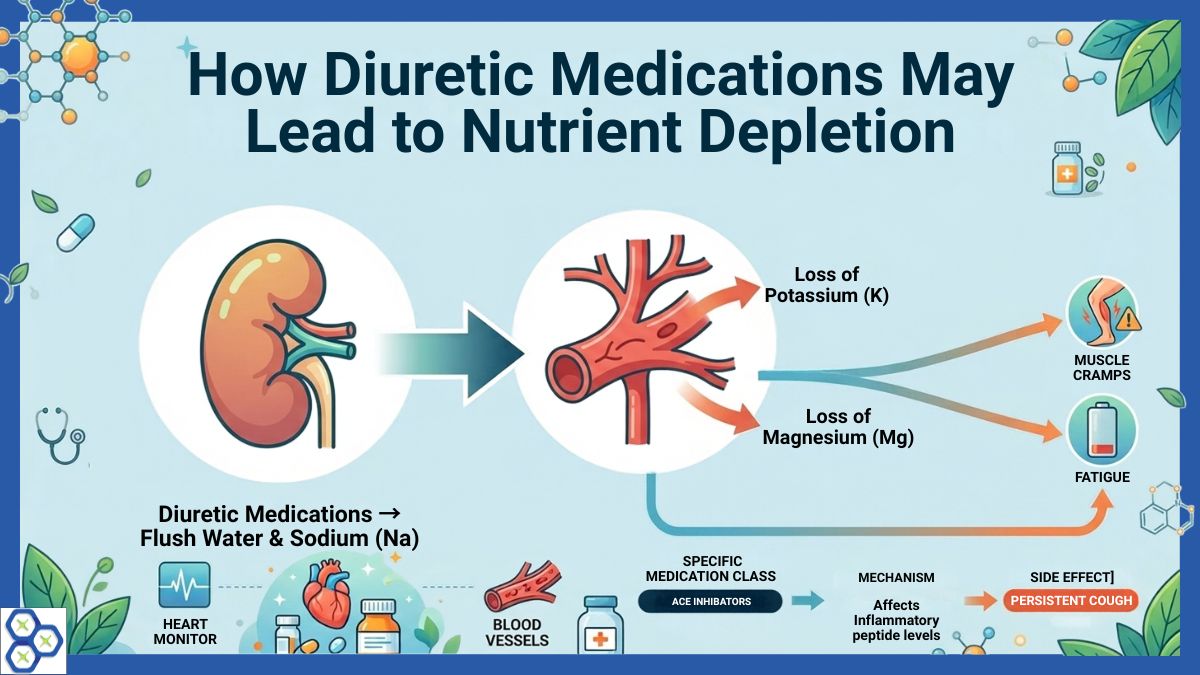
- Diuretics (e.g., Hydrochlorothiazide, Furosemide): Prompt the kidneys to flush out excess sodium and water, lowering overall fluid volume in the bloodstream.
- ACE Inhibitors (e.g., Lisinopril, Enalapril): Block the conversion of Angiotensin I to Angiotensin II, preventing blood vessel constriction and arterial narrowing.
- Angiotensin II Receptor Blockers / ARBs (e.g., Losartan, Valsartan): Prevent Angiotensin II from binding to vascular receptors, allowing blood vessels to remain dilated.
- Calcium Channel Blockers (e.g., Amlodipine, Diltiazem): Inhibit calcium from entering the smooth muscle cells of the heart and arteries, forcing blood vessels to relax.
- Beta-Blockers (e.g., Metoprolol, Atenolol): Reduce heart rate and cardiac output by blocking adrenaline receptors.
Side Effects of High Blood Pressure Medications & Blood Pressure Recall Alerts
While high blood pressure medications can reduce acute cardiovascular risks, long-term pharmaceutical reliance carries notable side effects and manufacturing concerns.
If you have severe or negative side effects, look on your medication insert to see if there is a coorelation. You may need to revisit what you are on, how much, and if there is a better alternative with your physician.
Nutrient Depletion & Common Drug Side Effects
Diuretic blood pressure medications frequently flush out essential electrolytes. These include potassium, magnesium, and zinc, which can lead to severe muscle cramps, cardiac arrhythmias, fatigue, and systemic mineral imbalances.
ACE inhibitors are notorious for causing a persistent dry cough due to bradykinin accumulation in the lungs, while calcium channel blockers frequently cause peripheral edema (swelling in the lower legs and ankles).
Carcinogenic Impurities & Blood Pressure Recall Alerts
Beyond expected side effects, safety concerns surrounding pharmaceutical manufacturing have led to major regulatory interventions. Over recent years, the FDA issued multiple urgent blood pressure recall alerts involving millions of widely prescribed Angiotensin II Receptor Blockers (ARBs), including Valsartan, Losartan, and Irbesartan.
To check whether a current blood pressure medicine or diuretic has been affected by manufacturing impurities or safety warnings, patients can consult the official FDA drug recall database.
These extensive recall actions were triggered after laboratory testing detected unacceptable levels of nitrosamine impurities, specifically N-Nitrosodimethylamine (NDMA) and N-Nitrosodiethylamine (NDEA). They are classified as probable human carcinogens. These ongoing manufacturing vulnerabilities underscore why individuals relying on blood pressure medicine must remain informed about recall notices while actively supporting their underlying cellular and vascular health.
The HTMA Connection: How Tissue Minerals Control Vascular Tone
Standard blood tests keep serum mineral levels within strict ranges to sustain life, often pulling minerals out of tissue reserves to compensate. This means your blood work can look “normal” even while your arteries suffer from severe tissue-level mineral depletion.
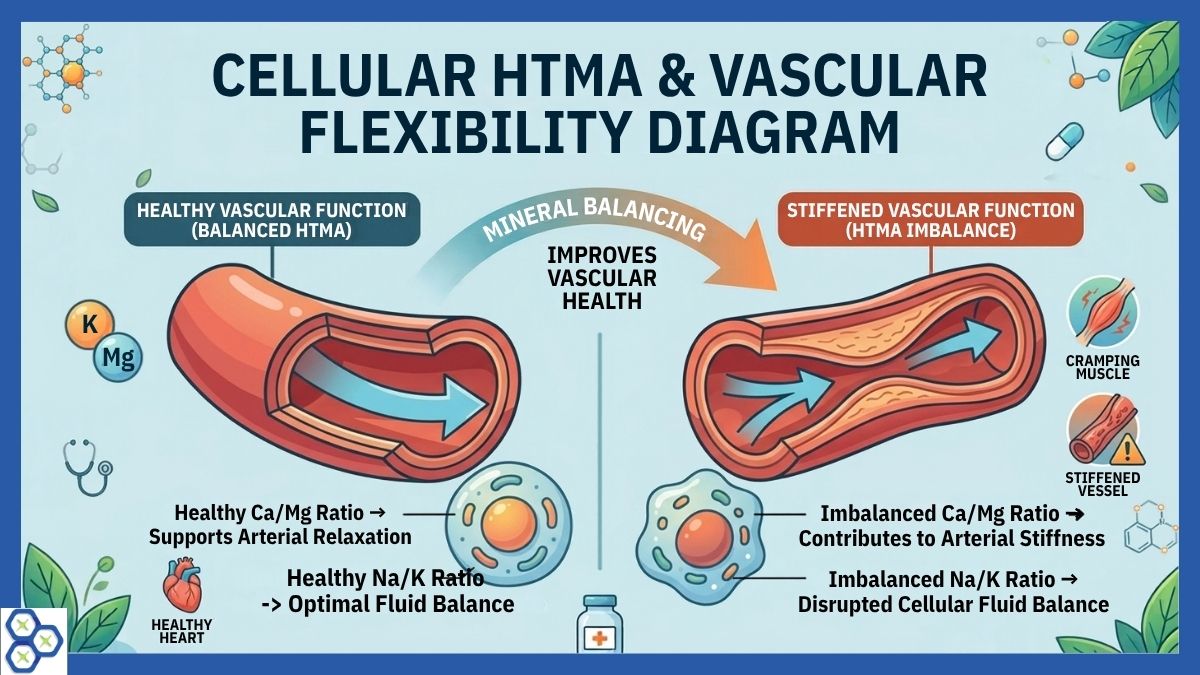
Evaluating cellular mineral patterns requires a deeper look beyond standard blood panels. Understanding the steps behind interpreting hair tissue mineral analysis results helps pinpoint whether high calcium or depleted potassium is driving arterial stiffness. Hair Tissue Mineral Analysis (HTMA) acts as a cellular blueprint, measuring mineral deposition over a 1-2 month window to uncover the true metabolic root causes of high blood pressure:
The Na/K “Tired & Stress” Ratio
Elevated tissue sodium relative to potassium points to renal stress, aldosterone excess, and inflammatory vascular fluid retention. Balancing this ratio is critical for restoring healthy vascular tone.
The Ca/Mg Vascular Flexibility Axis
Determines neuro-muscular tension and arterial flexibility. High ratios indicate vascular calcification and muscle spasticity, whereas balancing magnesium restores natural arterial relaxation.
Frequently Asked Questions (FAQ)
Yes. Serum blood tests tightly balance electrolyte levels to keep you in homeostasis. HTMA testing evaluates mineral accumulation inside tissue cells over time, revealing cellular deficiencies or toxicity that blood tests miss.
No. Never stop or adjust prescription high blood pressure medications without working directly with your prescribing physician. As your tissue mineral balance improves and vascular function normalizes, your physician can monitor your readings and adjust your medication as appropriate.
Tissue-level rebalancing typically takes 3 to 6 months of targeted nutritional therapy, customized supplementation, and heavy metal detoxification.
Clinical Integrity & Author Qualifications
Lisa Rufsholm, NC is a Certified Nutritional Balancing Consultant, HTMA Expert, and founder of Scientific Nutrition, LLC. Specialized in Hair Tissue Mineral Analysis, she helps individuals identify cellular root causes of chronic fatigue, cardiovascular stress, and metabolic imbalances.
Hair Analysis and What Causes High Blood Pressure: Take Control of Your Cardiovascular Health Today
Stop guessing with your blood pressure and start testing what is happening inside your cells!
Rather than guessing which supplements your vascular system needs. From basic testing to creating a healthy lifestyle over a 12 week period, you cchoose what meets you where you are for Hair Mineral Analysis services. It will provide a clear roadmap to restoring cellular fluid balance and supporting healthy blood pressure naturally.
If you are ready to identify the root causes behind your arterial health and discover how mineral balancing can support your body, schedule your complimentary consultation with Lisa Rufsholm. NC today.