

Table of Contents
- The Neuro-Biochemistry Blueprint: Insights from HTMA testing
- The “Calcium Shell” and Brain Fog
- Latent Physiological Stressors: Heavy Metal Toxicities
- Targeted Brain Support: Why Individual Biochemistry Dictates Supplementation
- Case Study: Reversing the Trend in Cognitive Performance
- Clinical Pathways for Recovery: The McCullough Protocol
- How to Spot the Trends of Cognitive Performance Shift
- FAQ: HTMA Testing and Cognitive Vitality
- Book Your Hair Analysis for Unique Cellular Trends
Key Takeaways:
- The Blueprint of Bio-Individuality: Discover why generic “brain health” supplements fail and how HTMA testing provides a data-driven map for your unique cellular needs.
- The Hidden “Calcium Shell”: Learn how the body sequesters minerals as a defense mechanism, creating a physiological barrier that manifests as chronic brain fog.
- Heavy Metal Synergy: Understand how toxicities like lead and aluminum act as adjuvants, accelerating cognitive performance shifts even at “low” levels.
- Evidence-Based Recovery: Review clinical data showing an 80.8% reduction in lead and the pathways used in the McCullough Protocol for cellular detoxification.
- Proactive Performance Tracking: Identify the “cellular trends” that appear in your biochemistry months or years before clinical symptoms emerge.
In a world obsessed with immediate health data, using wearable step trackers to real-time heart rate monitors. It is still shocking how little we know about our own baseline cellular biochemistry. Most people approaching their 50s worry about “senior moments” or brain fog, yet they continue a “spray and pray” approach to nutrition. Taking generic multivitamins and hoping for the best.
As a certified expert in mineral balancing and Hair Trace Mineral Analysis, I often tell my clients, “Longevity is not an accident”. It is the natural outcome of precise physiological management. You cannot effectively manage what you do not measure at the cellular level.
The standard medical model operates on a reactive paradigm, detecting full-blown symptoms after the pathology is set in place. The goal in preventive medicine is to be proactive. Using sophisticated trend analysis to spot impending mineral imbalances or emerging heavy-metal toxicity years before clinical symptoms manifest is huge.
The Neuro-Biochemistry Blueprint: Insights from HTMA Testing
A simple blood test offers a snapshot of what is traveling through your system right now. It doesn’t tell us what has been stuck in your tissues over the last few months. Hair is a vital soft tissue that acts as a storage site for minerals. It allows us to see a 30-60 day time-lapse of your biochemistry via HTMA testing.
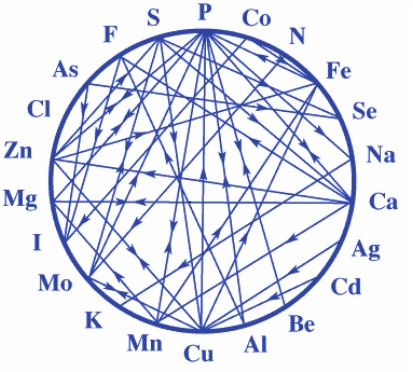
When analyzing original case data, we aren’t just looking at isolated numbers; we are looking at complex mineral ratios. True cognitive vitality isn’t about having “enough” of one mineral; it is about proper balance. Imbalances here are the earliest detectable markers of future cognitive shifts.
The Neuro-Inflammation Marker (Zinc/Copper)
While my metabolic muscle health marker blog discusses these for recovery, in brain health, this ratio dictates everything from dopamine synthesis to neurotransmitter balance. A skewed ratio, specifically copper dominance, is a verified indicator of oxidative stress in the brain’s gray matter. It can lead to persistent “brain fog.”
The “Calcium Shell” and Brain Fog
When the Calcium-to-Magnesium ratio is severely elevated, the body creates a “calcium shell”. This isn’t just about muscle tension; the body is in a state of cellular shutdown. This metabolic setpoint is often seen in individuals suffering from psychomotor slowing. They share the feeling of “vague disconnect” from their surroundings and emotions.
Calcium contracts; Magnesium relaxes. This applies to your muscles and your brain. The balance of these minerals is at the control center of how you operate and feel.
Latent Physiological Stressors of Longevity: Heavy Metal Toxicities and Cognitive Performance Shift
While the mainstream conversation around cognitive aging centers on generic advice like “do crossword puzzles”. True preventive medicine must address the foundational, often invisible threat of heavy metal toxicity.
Metals are potent environmental neurotoxins that accumulate over decades. Emerging science is now confirming what specialized clinical data has shown for years. Human-based evidence consistently links metals like lead, mercury, and arsenic to psychiatric and cognitive disorders. Lead exposure, in particular, is consistently a link with psychomotor slowing and cognitive impairment (Source).
These metals damage the blood-brain barrier, accelerating cognitive performance shift or decline.
They don’t just shorten longevity by causing organ stress. They accelerate cognitive performance shift by damaging the blood-brain barrier and causing profound oxidative damage to gray matter.
Through expert interpretation of HTMA testing, we can see these toxic trends rising even while a client is still “asymptomatic”. A hidden mercury or aluminum surge can be rising on your hair analysis, even if you are not exhibiting symptoms today. We are witnessing the cellular foundations of future decline coming.
Reversing the Trend: A Case Study in Cellular Detoxification and Cognitive Performance
When we look at the intersection of environmental stressors and cognitive development, clinical data tells the story most clearly. Consider the case of my pediatric client who followed the standard recommended schedule. He had subsequently struggled with growth and attention-related challenges often associated with ADHD.
Through HTMA testing, we identified significant latent physiological stressors. At age 3, the child’s hair analysis revealed a lead level of 0.224. By age 13, following a targeted mineral balancing protocol, his level was reduced to 0.043, a 80.8% reduction in cellular lead burden!!
Furthermore, we observed the body’s “dumping” or mobilization process in action. The mercury level, which was initially stagnant at a toxic 0.007 at age 3, shifted to 0.018 by age 13. His system finally gained the mineral support necessary to move the metal out of deep tissue.
Similarly, the aluminum burden was systematically addressed, dropping to a level of 0.67 by age 13, where he was at a high 1.38 at age 3. These positive shifts in biochemistry directly correlated with the stabilization of attention and growth markers.
The Cumulative Burden: Understanding Environmental Exposure
While single doses may seem negligible, the cumulative exposure of the CDC pediatric schedule is significant. A child following this schedule may receive approximately 4,000 to 5,000 micrograms (mcg) of aluminum adjuvants by age 18 through various immunizations. Aluminum accumulation over 10 mcg is TOXIC.
While thimerosal (mercury) has been “removed” from most pediatric shots, multi-dose influenza vials can still contain up to 25 mcg per dose.
While lead is not a vaccine ingredient, it remains a common environmental synergistic toxin. When combined with these immune-mediated inflammatory responses, it can significantly impact cognitive performance.
Heavy Metals as Synergistic Adjuvants
A primary concern addressed through preventive medicine is how the immune-mediated (shot) inflammatory response interacts with an already stressed system. Many people experiencing post-vaccine cognitive shifts reveal hidden, pre-existing surges of neurotoxic heavy metals. These would include high aluminum or mercury on their HTMA testing.
Pre-existing heavy metal toxicity acts as a “physiological catalyst,” and immune-stimulating triggers (like the spike protein) act as the catalyst. If your system is already carrying loads of aluminum or mercury, it results in inflammation can be significantly higher. This accelerates the path toward cognitive decline.
Clinical Pathways for Recovery: The McCullough Protocol
Emerging clinical data suggest that addressing post-vaccination cognitive shifts requires a structured approach to degrading and neutralizing the vaccine-derived spike protein. Dr. Peter McCullough has published extensive research on Spike Protein Detoxification. He emphasizes a base protocol designed to assist the body in its natural clearing processes.
This metabolic support is critical for those experiencing persistent “brain fog” as it targets the underlying inflammatory catalysts that standard blood work often misses.
Individualized Biochemistry vs. Generic Brain Supplements: Why “One-Size-Fits-All” Nutrition Fails
If you take nothing else from this article, take this: Your biochemistry dictates your supplement needs.
The mainstream supplement market and medical institutions are overflowing with generic “brain boosters” like Omega-3s or B vitamins. They state that for the average person eating a balanced diet, generic multivitamins often provide little to no measurable benefit for brain health or longevity, according to Harvard Health.
While essential, there is little evidence that these generic supplements boost cognition unless you are correcting a specific, measured deficiency. Supplementing randomly for longevity is risky for two reasons:
- You May Be Missing the Target: Your brain fog might be a high Calcium problem, but you might be supplementing Calcium already without the proper ratio to Magnesium.
- You May Be Causing Toxicity: Guesswork allows heavy metal toxicities like Copper or Iron to accumulate unnoticed, causing neurotoxicity.
This is not because supplements don’t work; it’s because they aren’t targeted. This is the core of biochemical individuality. There are dangers if you take a generic “Brain Booster” containing copper. If your HTMA testing shows you are already copper-dominant, you are effectively fueling the very neuro-inflammation you are trying to solve. Targeted supplementation ensures you are only providing the specific minerals your cells. The ones that you require to maintain the blood-brain barrier and support neurotransmitter health.
True preventive medicine requires targeted supplementation. If we know you are high in Aluminum, your strategy must shift to specifically mobilize that toxin. If your cells are already full of glucose, generic carbohydrate advice will fail you.
Targeted Brain Support: Why Individual Biochemistry Dictates Supplementation
The mainstream market is flooded with generic “Brain Boosters.” However, supplementation without HTMA Testing is like flying a plane without a dashboard.
- Magnesium: Often called the “anti-stress” mineral, it is vital for neuroprotection. If your Sodium/Potassium levels are too low, taking high-dose Magnesium can worsen your fatigue.
- B-Complex: Essential for myelin sheath health. However, if your HTMA Testing shows heavy metal toxicity, certain B-vitamins can prematurely mobilize those metals. This causes them to be redistributed to the brain rather than leaving the body.
- Omega-3s: While they reduce inflammation, they cannot “fix” a brain that has a systemic burden of an undetected Aluminum surge.
The Longevity Rule: Supplements should not be used to “boost” a broken system. They should be used to rebalance a measured one. If your brain fog is caused by a “Calcium Shell,” no amount of fish oil will unlock your cognitive clarity until that mineral ratio is addressed.
How to Spot the Trends of Cognitive Decline Before Full-Blown Symptoms
Do not wait for a diagnosis to start caring about your longevity. Pathology doesn’t happen overnight. It is the culmination of years of physiological trend lines that are ignored.
By using HTMA testing for early detection, we can see the trends coming. We can observe the creeping heavy metal toxicities and the shifting trace mineral ratios that signal cognitive shift, mitochondrial shutdown, and a compromised blood-brain barrier.
True wellness is about taking control. Guessing is reactive; testing is proactive.
FAQ: HTMA Testing and Cognitive Vitality
As part of a proactive approach to preventive medicine, it is essential to understand how cellular data differs from traditional clinical testing. This section has been Fact-Checked By the clinical protocols and research documented by Dr. Peter McCullough and Dr. Bryan Ardis regarding immune-mediated inflammatory responses and spike protein detoxification.
Can HTMA testing diagnose ADHD or Alzheimer’s?
No. HTMA testing is not a diagnostic tool for clinical diseases. Instead, it is used to identify the underlying latent physiological stressors. Reasons such as mineral imbalances and heavy metal toxicity, that can contribute to cognitive performance shifts. By addressing these cellular trends, we support the body’s natural ability to maintain neurological health. It is used to measure physiological trends, not to provide a clinical diagnosis.
Is hair analysis more accurate than a blood test for metals?
Blood tests provide a snapshot of what is currently circulating in your system at the exact moment of the draw. In contrast, hair acts as a storage site. It provides a 30-60 day “time-lapse” of what your body is sequestering in its tissues. This makes hair analysis the preferred method for detecting chronic, long-term toxic burdens like lead, mercury, or aluminum. These metals may no longer be present in the blood but continue to impact cognitive vitality.
How long does a detox protocol take?
Every individual’s biochemistry is unique. Factors such as hormones, existing mineral deficiencies, and even chemicals can “hijack” your health efforts. Generally, most clients begin to see measurable shifts in their cellular mineral ratios and a reduction in systemic burden within 10 to 12 weeks of starting a targeted, data-driven protocol.
Why does my hair test show high glucose levels?
A hair test can indicate if your cells are “too full of glucose,” which may suggest you should prioritize fresh fruit over processed sugars or to avoid all sugars to reduce your metabolic stress. Understanding these metabolic trends allows for the highly individualized nutrition that generic “brain health” supplements cannot provide.
Hair Analysis and HTMA Testing For Your Unique Cellular Trends
Stop guessing with generic brain supplements and start measuring your path to longevity. Proper mineral balancing is the first step toward reclaiming your cognitive edge. Schedule a time to chat about your health goals using HTMA Testing.