
When comparing the long-term respiratory health effects of cleaning with bleach vs smoking, the scientific data reveals a hidden epidemic occurring inside our own homes.
We have been conditioned to believe that the smell of bleach is the scent of a “safe” environment. We spray, scrub, and inhale, thinking we are protecting our families from invisible germs.
However, the very products you use to sanitize your living space may be causing biological damage equivalent to a lifelong smoking habit.
A landmark 20-year study conducted by researchers at the University of Bergen followed 6,000 participants and found a staggering correlation. Women who used common household cleaners like Clorox (containing chlorine bleach) or Lysol (containing quaternary ammonium) just once a week experienced a decline in lung capacity equivalent to smoking 20 cigarettes a day for 20 years!
The Scientific Data: Cleaning with Bleach vs Smoking
The study suggests that the fine mist from cleaning sprays remains in the air for hours, traveling deep into the lungs.
These chemicals cause “remodeling” of the airways, a permanent scarring and inflammation of the tissues!
In my Health For Life Wellness program, I help my clients stop guessing about their health. I analyze their top 25 chemical exposures from personal care and cleaning products to identify how many times a day they are unknowingly exposed to cancer-causing and endocrine-disrupting agents.
When we look at the reality of cleaning with bleach vs smoking, we often find that a “clean” home is actually a primary source of cellular stress. I then share lists of safe, natural alternative cleaning products that will do the job without harming your body, the environment, or your family.
The Danger of Quats and Chlorine Bleach
The two most common offenders in the average cleaning cabinet are Chlorine Bleach and quaternary ammonium disinfectants (Quats).
- Chlorine Bleach (Sodium Hypochlorite): Found in products like Clorox, bleach is a powerful oxidant. While it kills bacteria, it also oxidizes human tissue. Inhalation can lead to fluid in the lungs and a severe change in the blood’s pH balance.
- Quaternary Ammonium Compounds (Quats): Found in Lysol sprays and wipes, Quats are categorized by the Environmental Working Group (EWG) as potent asthmagens. Even worse, Quats are known endocrine disruptors that interfere with hormone signaling, thyroid function, and reproductive health.
Recognizing the Symptoms of Chemical Overload
Many people live with chronic issues, never realizing their “cleaning day” is the trigger. It is essential to understand what products are toxic in your immediate environment.
If you suffer from the following, your cleaners may be the culprit:
- Respiratory Distress: Shortness of breath, wheezing, or a “tight” feeling in the chest.
- Hormonal Imbalance: Unexplained weight gain, estrogen dominance, or thyroid sluggishness.
- Neurological Fog: Headaches, dizziness, or “brain fog” that peaks after cleaning.
- Skin Irritation: Eczema or contact dermatitis triggered by toxic personal products and detergents.
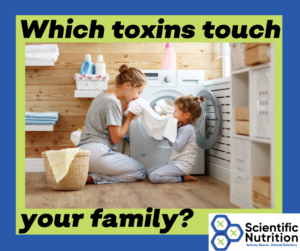
The danger isn’t just in the air; it is in your fabrics. We often find that toxins in laundry detergent stay trapped in your sheets and clothes. This means you are “wearing” your chemical exposure 24/7. It’s non-stop toxicity.
The Health For Life Solution: 99.9% Clean, 0% Toxic
You do not have to sacrifice a sterile home for your lung health.
Nature has provided powerful microbial disinfectants that are just as effective as industrial bleach but completely non-harmful to human tissue. In my wellness program, I provide my clients with alternative solutions that utilize natural microbial disinfectant ingredients.
These alternatives:
- Kill 99.9% of viruses, germs, and bacteria on contact or within 1-10 minutes of drying time.
- Are Non-harmful to the delicate mucous membranes of your lungs.
- Contain zero endocrine disruptors, making them safe for children and pets.
Take Control of Your Indoor Air Quality Today
According to the American Lung Association, VOCs and other chemicals released during cleaning contribute to chronic respiratory problems. The comparison of cleaning with bleach vs smoking isn’t a scare tactic; it is a biological danger and reality for millions of families.
Hair Analysis and Evaluating Your Cleaning with Bleach vs Smoking Damage
If you are ready to identify your top 25 exposures and replace your toxic routine with a truly Health For Life environment, let’s start with a comprehensive analysis of your household and personal care products.
We can cut exposure, replace products with clean versions that will do a better job, and give your body the chance it needs to begin healing.
LET’s CHAT! Your lungs and your hormones will thank you.