
Beyond Bone Health: Vitamin D as a Systemic Detox Catalyst
By increasing your Vitamin D3!
I want to share some small things you can do to greatly improve your health and to further protect yourself from many illnesses. This ultimately important vitamin is one our body can actually manufacture from sunshine.
Our liver produces the form of vitamin D3 called Calcitriol, which is the precursor to the active form of D3, so keeping your liver clean is important for the functions of vitamin D as well.
The Liver-Vitamin D Connection: Why Organ Health Matters
Vitamin D is not just a vitamin; it is a pro-hormone that must be converted by your liver and kidneys. If your liver is burdened by heavy metals, environmental toxins, or chronic inflammation, issues we frequently identify through HTMA data, this conversion process becomes sluggish.
A ‘congested’ liver cannot efficiently activate the Vitamin D your body desperately needs for immune regulation and mineral transport. Your ability to convert Vitamin D into its active form (Calcitriol) is significantly diminished. This creates a dangerous loop: your liver needs Vitamin D to support the immune cells that clear toxins, but the liver can’t activate the Vitamin D because it is too burdened. This is why keeping your liver clean is a non-negotiable step in your detox blueprint.
Most people view Vitamin D as a simple nutrient, but it is actually a complex pro-hormone that requires a multi-step activation process. This journey begins in the liver. When you ingest Vitamin D or manufacture it from sunlight, your liver must first convert it into 25-hydroxyvitamin D [25(OH)D], also known as calcidiol.
This is the ‘hidden’ reason many people remain deficient despite taking high-dose supplements. Supporting your liver health isn’t just about ‘detox’; it is about ensuring your body has the biological machinery to unlock the power of your Nutritional Blueprint
Does Vitamin D Strengthen Your Immune System?
Absolutely. Vitamin D is the primary modulator of both your innate and adaptive immune responses. We can obtain Vitamin D by spending time outdoors, exposing as much of our skin as possible to the sun, as well as through beneficial absorption through our eyes. We should get 20-60 minutes a day of sunshine, ideally.
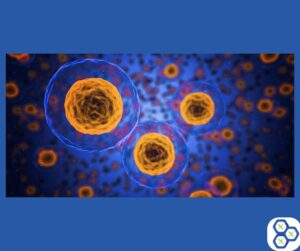
It specifically activates T-cells, the ‘soldiers’ of your immune system, which remain dormant if Vitamin D levels are insufficient. However, because this activation is dependent on the liver conversion process discussed above, your immune resilience is only as strong as your liver health. By supporting your liver’s ability to activate D3, you ensure your immune system can effectively identify and neutralize pathogens, a cornerstone of any successful detox protocol.
If you live in a cold environment, it may not be an option, so unless my clients are in the sunshine most of the day, I recommend 5,000 I.U. supplementation daily for ages 12 and up. In my 10 years of experience, I have only had 2 clients experience a high level on a blood test due to self-dosing in high amounts because Vitamin D is used efficiently in general. Living in the colder climate of Minnesota, we get 3-4 months a year of “good” weather to expose our arms and legs, so supplementation is a must.
3 Clinical Strategies to Optimize Your Vitamin D Synthesis
We all know we need sunshine to produce vitamin D, but sometimes it just isn’t possible. You can simply take a daily supplement of 5,000 i.u. of vitamin D. If you live in a very warm environment in which you get an hour or more of sunshine, less will be needed.
An alternative may be a full-spectrum lamp on your chest. It is simply a GE Reveal 100-watt bulb that can be purchased at Walmart, shining on your bare chest (for the most skin exposure possible) for 15-30 minutes a day. It includes all of the spectrum light colors in the electromagnetic wavelength from ultraviolet to infrared. When done in the morning, it can greatly improve SAD or Seasonal Affective Disorder, which I call the winter blues on steroids.
I don’t recommend seafood sources as they are highly contaminated by heavy metal toxicity however, Atlantic-caught, boneless/skinless sardines can cover both your EPA/DHA Omega fish oil needs and Vitamin D3 by eating 3-4 cans a week. If they are in any oil, I suggest washing them to eliminate any leaching from the can. You can easily substitute them for tuna fish and add protein to your diet as well.
Protective Mechanisms: Preventing Chronic Disease Through D3
Clinical research has consistently shown that maintaining optimal Vitamin D levels is a primary defense against seasonal health challenges. According to a comprehensive study published in The Lancet, Vitamin D supplementation significantly reduces the risk of acute respiratory infections, proving that this nutrient is a cornerstone of systemic immune resilience.”
- Osteoporosis (weak bones), bone fractures, and rickets (when demineralized bones are soft).
- Diabetes! See my blog to understand how insulin resistance and your minerals regulate blood sugars
- Anxiety
- Multiple Sclerosis
- Cancer (breast, colon, prostate, etc.)
- Depression
- Respiratory Infections
- Immune system disorders (for example, psoriasis) are affected by UV-B rays as well
- Heart disease
- High blood pressure
- Fatigue
- Mental issues such as schizophrenia, Alzheimer’s
- Viral infections (including COVID-19 and Influenza)
- Erectile Dysfunction
- Low energy levels
- Poor sleep disturbance and quality
- Slow hair follicle creation, hair growth
- A compromised parathyroid gland may steal Calcium from the bone with Ca and D3 deficiency
- Possible vertigo or dizziness spinning inside your head
- Brain fog
Identifying 9 Symptoms of Vitamin D Deficiency: The Biological Warning Signs
- Depression or sadness that won’t lift
- Get ill often and easily
- Muscle weakness
- Fatigue or complete exhaustion
- Hair loss
- Loss of your appetite
- Pale or sallow skin color
- Insomnia
- Bone pain, inflammation, and feeling achy
Why Supplementation Fails: Medications and Absorption Barriers
If you get enough sunshine or take some supplements, but your level is low, there may be another reason.
Some medications that may be lowering your Vitamin D3 levels are laxatives, seizure control drugs, prescription weight loss drugs such as Orlistat, steroids (Prednisone), and the very common cholesterol-lowering drugs. Ask your doctor or find the insert to your medication for details.
FAQ: Vitamin D, Toxicity, and Systemic Detoxification
Can Vitamin D help clear heavy metals?
Yes. Vitamin D helps regulate the production of metallothionein, a protein that binds and detoxifies heavy metals like cadmium and lead.
Why is my Vitamin D still low after supplementing?
This is often due to liver congestion or a lack of Magnesium, which is required for the enzymes that convert Vitamin D into its active form.
How does HTMA help with Vitamin D dosing?
HTMA reveals your Calcium and Magnesium levels. Since Vitamin D impacts these minerals directly, the data allows us to dose Vitamin D safely without causing calcification.
Using Hair Analysis (HTMA) to Optimize Your Vitamin D and Mineral Synergy
Although the Hair Mineral Analysis doesn’t measure the Vitamin D level in your body, it can help to form the targeted supplement program your biochemistry needs. By getting the right amount along with the specific remineralizing supplements, you can regain your balance.
The Calcium-Magnesium-Vitamin D Triangle
In an HTMA (Hair Tissue Mineral Analysis), we don’t look at Vitamin D in a vacuum. Vitamin D increases Calcium absorption, but without adequate Magnesium, that Calcium can end up in your soft tissues (like arteries or kidneys) instead of your bones. If your HTMA shows a ‘Calcium Shell’ or low Magnesium, simply taking high-dose Vitamin D can drive mineral imbalances further. We use your data to ensure your Vitamin D intake is perfectly balanced with the co-factors required for systemic recovery.
It is a common mistake to supplement Vitamin D in isolation. However, the enzymes that metabolize Vitamin D require Magnesium as a cofactor. Research highlighted by the Journal of the American Osteopathic Association emphasizes that Vitamin D cannot be properly activated without sufficient Magnesium levels, meaning that high-dose D3 can actually lead to a functional Magnesium deficiency if not balanced correctly.
To truly master your health, you must look at how your body handles the stress of detoxification. Since Vitamin D levels and mineral retention are heavily influenced by your adrenal health, I recommend pairing your D3 protocol with a strategy for managing stress patterns. By stabilizing your nervous system, you ensure your body has the capacity to utilize these nutrients for long-term recovery rather than immediate survival.
I hope this inspires you to take your Vitamin D supplement and enjoy daily sunshine!
To know which supplements your body needs, LET’s CHAT on a complimentary consultation.
Learn more about Vitamin D and your immune system.
Copyright Scientific Nutrition, LLC 2020