Beyond Drinking Water: Why Cellular Osmosis is the Key to Detox
Mastering your hydration for detox is essential for your long-term health and every biological function of the body. Cellular hydration detox, your Sodium-Potassium Ratio as shown on an HTMA, and how to hydrate for heavy metal detox are what we will dig into here.
If there is no water flowing, we have no energy. This life-giving liquid carries oxygen to the cells and softens the mineral to lubricate joints and help our muscles stay pliable. It is our highway delivery system for nutrition, antibodies, and garbage removal.
What percentage of your body is water?
We are 45-78% water, depending on our gender and size. If we break it down, our water makes up 31% of our bones, 64% of our skin, 73% of our heart, 75% of our muscles, 80% of our brain, 82% of our kidneys, and 90% of our blood.
5 Biological Functions of Strategic Hydration
Staying hydrated is the most important self-care practice you can do for yourself. Here are 5 of the top reasons to make sure you drink enough water daily:
- Flushes toxins
- Helps perspiration to cool and detoxify through the skin
- Increases energy and flexibility of your whole body
- Enables cells to communicate more effectively in every way
- Speeds metabolism and negatively ion-charged fat deposits
The Hidden Crisis: 15 Clinical Signs of Cellular Dehydration
1. Causes Leg cramps and edema due to a Sodium/Potassium imbalance. Water is pulled from the leg to assist in flushing Sodium but excessive Potassium can be flushed in the process.
2. Flushes Sodium into the urine, causing you the inability to retain water in your brain, triggering headaches and swelling.
3. Sodium stabilizes our blood pressure, reduces mucous, and expands the blood to reach all parts of our body with oxygen and nutrition.
4. Diminishes physical and mental energy:
- 1-2% disrupts cognitive thinking and can make us irritable
- 5% dehydration decreases energy by 20-30%
- 10% makes us sick
- 20% can cause death.
5. Depleting essential amino acids to clear toxins instead of healing the body can trigger deep-seated irritability and fatigue. This is especially true when heavy metal toxicity is present, as these metals compete for the same mineral transport sites as your electrolytes, causing the body to remain in a state of ‘toxic thirst’. This can also trigger depression, anxiety, and irritability, along with heavy metals that agitate more so.
6. Lowers Serotonin, which needs water to facilitate Melatonin to help us sleep.
7. May cause tics or seizures.
How Dehydration Disrupts Metabolic Pathways
8. Flushes Sodium into the urine, causing you the inability to retain water in your brain, triggering headaches and swelling.
9. Dehydration (mild) alone slows the metabolism by 3%.
10. Can be caused by alcohol, sunburn, diarrhea, excess sugar, exercise, high altitudes, a high-carb/meat diet due to lack of moisture as well as caffeine. Drinking 10 ounces of coffee reduces up to 12 ounces of water in the body as it is dehydrating.
11. Creates dry mouth, tooth decay, and overgrowth of bacteria, resulting in bad breath.
12. Slows digestion and motility.
13. It may trigger the same feeling as hunger, causing overeating and weight gain.
14. Dries our skin, accelerating poor elasticity, wrinkles, slow healing, breakouts, and dry hair.
15. Results in weight loss plateaus and slower fat breakdown.
Understanding these symptoms is critical because hydration is a complex biochemical balance of fluid and mineral salts. As outlined in the clinical guidelines by the National Academies of Sciences, maintaining the correct intake of electrolytes is the only way to ensure water effectively reaches the intracellular compartment for detoxification.
On an HTMA report, your Sodium (Na) and Potassium (K) levels represent your ‘Vitality’ and ‘Stress’ ratios. These two minerals are the primary regulators of fluid balance. When we analyze your Nutritional Blueprint, we don’t just tell you to ‘drink more water.’ We identify if you are a ‘Slow Oxidizer’ who may be retaining toxic fluids, or a ‘Fast Oxidizer’ who is flushing minerals too quickly to sustain cellular detox.
Choosing the Right Water Source: A Hierarchy of Hydration
Getting clean, toxin-free (fluoride, chlorine, heavy metals, chemicals) water is one of the biggest impacts you can make on your health. I always recommend spring water as it contains essential and natural minerals your body needs, but do your research as many add fluoride without telling you on the label.
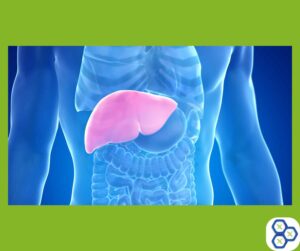
Filtering out toxins like fluoride and chlorine is not just about taste; it is about reducing the metabolic load on your primary filtration organs. Expert research from Harvard Health confirms that consistent, high-quality hydration is a fundamental requirement for optimal kidney and liver function, which are the engines of your body’s natural detox pathways.
When choosing the best water for detoxification, the hierarchy matters. Spring water is the gold standard, as it is naturally structured and contains the raw minerals your body requires for cellular osmosis.
For those dealing with heavy metal toxicity or high fluoride exposure, distilled water is a powerful short-term tool to ’empty the bucket’ of inorganic minerals, provided it is remineralized before consumption.
Finally, hydrogen water is a high-level therapeutic addition; by infusing water with molecular hydrogen, you provide the body with a potent selective antioxidant that specifically targets oxidative stress during a deep detox protocol.
The Mineral-Hydration Trap: Why Plain Water Isn’t Enough
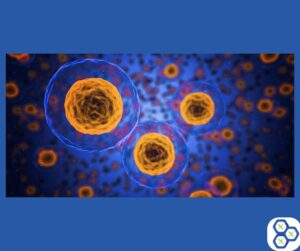
If you are drinking gallons of water but still feeling fatigued, you likely have an osmotic imbalance. True detoxification requires minerals to ‘pull’ water into the cell and ‘push’ waste products out.
Without a proper Sodium-Potassium balance, the electrical battery of your cells, plain water simply flushes through your system, often taking vital electrolytes with it. This is why hydration is a mineral game, not just a volume game.
Where can I find water without fluoride?
There are many sold with added fluoridation, but nothing is mentioned on the label. Contact me for a list of good sources that have been sneakily added to the bottles.
Using Hair Analysis (HTMA) to Master Your Sodium-Potassium Hydration Ratio
Your sodium and potassium regulate your water retention and play a major role in your kidneys’ ability to maintain the right water balance in your body. Too much sodium may cause a negative amount of water retention, a deficiency, and dehydration. Knowing where your body levels and the sodium-to-potassium ratio are is essential in correcting inflammation and cellular health.
FAQ: Cellular Hydration, Fluoride, and Detoxification
Can I detox with plain tap water?
No. Tap water often contains fluoride and chlorine, which act as metabolic inhibitors and can displace essential minerals like Iodine.
How does the Sodium-Potassium ratio affect weight loss?
If your Na/K ratio is imbalanced, your body may hold onto inflammatory ‘water weight’ to dilute toxic waste that it cannot effectively flush out.
Is alkaline water better for detox?
While pH is important, the mineral density and structured state of the water are more critical for cellular absorption and detoxification.
If you want to improve your health at a deeper level, LET’s CHAT!
Learn how fluoridated water is linked to cancer.
Copyright Scientific Nutrition, LLC 2020