
Experiencing unexplained fatigue, digestive distress, or mysterious health symptoms that won’t resolve? Parasites could be the hidden culprit affecting your well-being. These microscopic invaders inhabit more human bodies than most people realize, silently depleting your nutritional reserves and compromising your immune function while you search for answers.
Do All Humans Have Parasites?
Research suggests that up to 80% of people worldwide harbor some form of parasitic organism during their lifetime. I believe the percentage is even higher.
While not everyone has an active infection simultaneously, the prevalence far exceeds what conventional medicine acknowledges. Many practitioners dismiss parasites as irrelevant in developed nations, yet these organisms thrive in various body systems. From your digestive tract to your bloodstream, they often remain undetected for years.
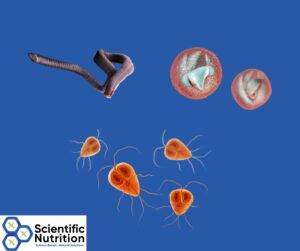
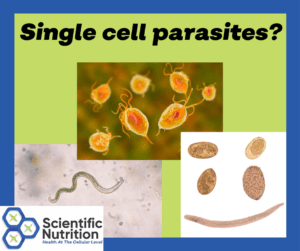
These unwelcome guests consume the nutrients meant for your cells, release toxic waste products into your system, and create an environment that fosters chronic disease. From single-cell protozoa to complex helminths, parasites adapt remarkably well to human hosts, making elimination challenging without targeted protocols.
Where Do Parasites Come From?
Contaminated water remains a primary transmission route, even in countries with modern water treatment facilities. Studies reveal that cryptosporidium eggs are so minute that approximately 33% pass through municipal water testing, creating infection risk despite chlorination. Stream water, lake water, and inadequately treated municipal sources all harbor various parasitic species.
Undercooked meat and fish introduce parasites directly into your digestive system. Raw or rare pork carries Trichinella spiralis, while sushi and sashimi may contain anisakis worms. Unwashed fruits and vegetables, particularly those irrigated with contaminated water, transport parasite eggs from soil to your plate.
International travel exposes you to region-specific parasites your immune system hasn’t encountered. Pets transmit certain species through close contact. Cats commonly carry toxoplasmosis, which poses severe risks to pregnant women and developing fetuses. Walking barefoot on contaminated soil allows hookworms to penetrate directly through your skin, while swimming in natural water sources creates opportunities for waterborne species to establish infection.
How Do Parasites Enter the Body?
The most common entry route involves oral ingestion through contaminated food or water. Poor hygiene practices, particularly inadequate handwashing after bathroom use or diaper changes, facilitate person-to-person transmission. Daycare centers, hospitals, and college dormitories become breeding grounds where close quarters accelerate the spread.
Some parasites demonstrate remarkable adaptability by penetrating intact skin. Hookworms and certain flatworms breach your body’s protective barrier when you contact contaminated soil or water. Vector-borne transmission through mosquito, tick, and flea bites introduces parasites directly into your bloodstream, bypassing digestive defenses entirely.
Sexual contact spreads specific parasitic infections, while inhaling contaminated dust or soil particles allows respiratory entry. Food handlers infected with parasites can contaminate everything they touch, making restaurant dining a potential exposure source. Flies and cockroaches act as mechanical vectors, carrying encysted parasites from fecal matter to food preparation surfaces.
How Do You Know If You Have Parasites in Your Body?
Your body signals parasitic infection through diverse symptoms that conventional practitioners often misdiagnose. Chronic digestive complaints, bloating, gas, alternating diarrhea and constipation, frequently indicate parasitic activity. The toxic waste products parasites release create systemic inflammation that manifests as unexplained fatigue resistant to rest and sleep.
Skin manifestations, including unexplained rashes, itching, eczema, psoriasis, and rosacea, reflect your immune system’s struggle against parasitic invaders. Nighttime teeth grinding (bruxism) occurs so commonly with parasites that it serves as a diagnostic indicator. Disturbed sleep patterns, restlessness, and anxiety often accompany infection as parasites disrupt normal neurotransmitter function.
Food sensitivities developing suddenly suggest intestinal damage from parasitic attachment. Joint and muscle pain arise from inflammatory responses to parasitic waste products. Weakened immunity with frequent infections indicates your body’s resources are depleted fighting parasitic burden. According to the Centers for Disease Control and Prevention, parasitic infections contribute to numerous chronic conditions that remain undiagnosed.
Weight fluctuations, either unexplained loss despite adequate eating or gain despite diet adherence, point to metabolic disruption from parasitic activity. Sugar cravings intensify because parasites feed on glucose and manipulate your appetite to ensure their survival. Anemia develops as blood-feeding species like hookworms deplete your iron stores.
Signs of Parasites in Kids
Children face particular vulnerability due to developing immune systems and frequent hand-to-mouth contact. Persistent anal itching, especially intensifying at night when pinworms lay eggs, serves as a classic symptom requiring immediate attention. Behavioral changes, including irritability, difficulty concentrating, and unexplained aggression, may signal parasitic interference with neurological development.
Bedwetting in previously dry children often indicates parasitic infection. Unexplained abdominal pain, dark circles under the eyes, and a pale complexion suggest compromised immunity and nutritional depletion. Watch for nighttime teeth grinding, persistent hunger despite regular meals, or conversely, appetite loss and food aversions.
Developmental delays and learning difficulties warrant parasitic investigation, as these organisms impair cognitive function through nutritional theft and toxic waste release. Recurrent infections indicate weakened immunity, a hallmark of parasitic burden. Weight changes become particularly concerning in growing children whose nutritional needs already exceed adults.
How to Know If You Have Parasites in Your Stool
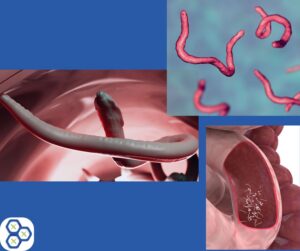
Visual examination reveals certain infections, though many organisms remain microscopic. Look for visible worms appearing as white threadlike segments (pinworms) or longer formations resembling spaghetti (roundworms). Excessive mucus coating your stool indicates intestinal irritation as your gut lining produces protective secretions against parasitic attachment.
Undigested food particles despite thorough chewing, unusual stool odor, and consistency changes all suggest compromised digestive function from parasitic activity. Black, tarry stools may indicate intestinal bleeding caused by parasites damaging your intestinal walls. Visible fat in the toilet, accompanied by pale, floating stools, points to Giardia infection affecting your gallbladder’s bile release.
However, relying solely on visual inspection misses the majority of parasitic infections. Most species and their eggs remain invisible without microscopic examination, making comprehensive testing essential for accurate diagnosis and appropriate treatment.
How to Test for Parasites at Home
While professional testing provides definitive results, several home methods offer a preliminary indication of infection. The scotch tape test detects pinworms by pressing clear tape against the anal area first thing in the morning before bathing, then examining it under magnification for eggs. Repeat this test for several consecutive mornings, as egg laying occurs intermittently.
Daily stool self-examination requires consistency over several weeks. Parasites shed intermittently based on their reproductive cycles, so single observations prove insufficient. Photograph anything suspicious for comparison across multiple days and professional consultation.
For a comprehensive assessment, hair mineral analysis reveals your body’s nutritional status and toxic burden with remarkable precision. This non-invasive testing method identifies mineral deficiencies commonly associated with parasitic infections. These organisms systematically deplete essential nutrients while accumulating toxic heavy metals. Parasites can hold up to 10 times their body weight in heavy metals, creating toxic accumulations that standard blood tests miss!
Rather than searching for “hair analysis near me” or “hair mineral test near me” in your local area, modern testing accessibility means expert analysis is available virtually, making professional guidance accessible regardless of your geographic location. Comprehensive hair analysis with wellness coaching provides the detailed nutritional roadmap needed to address parasitic infections at their root cause while rebuilding the deficiencies they created.
Parasites and the Full Moon
The connection between parasitic activity and lunar cycles has intrigued observers for centuries. During the full moon phase, parasites demonstrate increased activity in their reproductive cycles, intensifying egg laying and movement throughout the body. This heightened activity explains why symptoms often worsen during this lunar phase.
Many people report increased restlessness, disturbed sleep, digestive upset, and even weight gain around the full moon as parasites become more active. The gravitational effects of the full moon may influence parasite life cycles, triggering the release of eggs or larvae into the environment and increasing infection likelihood.
This timing presents an optimal window for treatment intervention. Active parasites prove more vulnerable to both antiparasitic medications and natural remedies than dormant forms. Strategic timing of your cleanse protocols with the full moon cycle enhances effectiveness and accelerates elimination. It makes lunar awareness a valuable tool in your treatment strategy.
Understanding Different Types of Parasites
Protozoa: Single-Celled Invaders
Protozoa represent microscopic, single-celled organisms that multiply rapidly within your body, causing significant disease despite their tiny size. These parasites demonstrate remarkable adaptability and resilience.
Amoeba (Entamoeba histolytica). These single-celled parasites invade your intestinal lining, causing amoebic dysentery with severe diarrhea, abdominal cramping, and bloody stools. They create lesions or ulcers in your intestines called amebomas that appear as rings in tissue. Corticosteroid medications like asthma inhalers suppress your immune response, allowing amoeba to flourish. Liver abscesses develop in chronic cases as amoebae migrate beyond the intestines.
Natural remedies include black walnut hull combined with wormwood and cloves. Oregano oil demonstrates powerful anti-amoebic properties, while garlic’s sulfur compounds create an inhospitable environment. Avoid high-carbohydrate diets that feed these organisms, and boil water before drinking if contamination is suspected.
Cryptosporidium. This resilient protozoan causes cryptosporidiosis, characterized by watery diarrhea, stomach cramps, nausea, and dehydration lasting several weeks. Since 1994, this parasite has demonstrated immunity to chlorine, making it a persistent threat in treated water supplies. Reports of cryptosporidium contamination span from San Francisco to New York in municipal drinking water.
The microscopic eggs are so minute that conventional testing allows approximately 33% to pass through municipal water filtration. This creates ongoing exposure risk even in cities with modern infrastructure. Grapefruit seed extract shows significant effectiveness against cryptosporidium, along with colloidal silver and high-dose vitamin C therapy supporting immune function.
Giardia is contracted from contaminated water sources. Giardia causes giardiasis with explosive diarrhea, excessive gas, greasy stools with visible fat, and severe bloating. This parasite lives primarily in your small intestine but occasionally inhabits your gallbladder, impeding bile release necessary for fat digestion. The result includes malabsorption of fat-soluble vitamins (A, D, E, K) and the development of meat and lactose intolerance.
Giardia spreads through contaminated feces during diaper changes, infected clothing, contaminated food, and water sources, including streams, mountain waters, and chlorinated municipal supplies. It attaches to intestinal walls, causing damage that persists even after parasite elimination.
Oregon grape root contains berberine, which effectively eliminates Giardia. Coconut oil’s lauric acid disrupts the parasite’s protective membrane. Goldenseal and barberry offer additional antimicrobial support while rebuilding digestive function.
Toxoplasmosis (Toxoplasma gondii). Cat ownership increases exposure risk, though many animals harbor this dangerous parasite. Approximately 40% of cats carry toxoplasmosis, but dogs, mice, rats, and gerbils also serve as hosts. Pregnant women face a severe risk as the parasite crosses into the baby’s brain and spinal cord, triggering hydrocephalus (water on the brain), decreased brain size, seizures, mental retardation, paralysis, stillbirth, and spontaneous abortion.
Other sources include undercooked pork, mutton, beef, and chicken. Environmental contamination occurs when flies or cockroaches carry encysted parasites onto food preparation surfaces. Initial symptoms mimic influenza or pneumonia, including headaches, swollen lymph glands, fever, chills, and profound fatigue. As parasites migrate into organs (liver, heart, brain, eyes), they cause progressive damage.
Testing for antibodies provides better diagnosis than symptom assessment, as manifestations may take years to appear. Treatment requires comprehensive protocols addressing both active infection and organ damage.
Babesia. This protozoan lives within red blood cells and frequently occurs as a co-infection with Lyme disease. Transmitted through tick bites, babesia causes malaria-like symptoms, including cyclical fevers, chills, sweats, fatigue, and hemolytic anemia as infected red blood cells rupture. Many patients with chronic Lyme disease actually suffer from an undiagnosed babesia infection.
Natural treatment includes artemisia (sweet wormwood), cryptolepis, and Japanese knotweed. Supporting red blood cell production through iron, B vitamins, and folate proves essential during recovery.
Helminths: Worm Parasites
Helminths encompass various worm species that grow to substantial sizes within the human body, causing mechanical damage, blood loss, and severe nutritional depletion.
Hookworms: These blood-feeding worms attach to your intestinal walls using their hook-like mouthparts, causing anemia, fatigue, and protein deficiency. They enter through your skin when walking barefoot on contaminated soil, migrate through your bloodstream to your lungs, then travel up your respiratory tract to be swallowed and establish in your intestines.
Each adult hookworm consumes approximately 0.2ml of blood daily, quickly leading to iron-deficiency anemia in heavy infections. Papaya seeds contain enzymes that paralyze and eliminate hookworms. Pumpkin seeds, particularly raw with their green coating, provide cucurbitacin compounds that expel these parasites. Food-grade diatomaceous earth mechanically damages hookworm exoskeletons, leading to dehydration and death.
Threadworm (Strongyloides) Threadworms demonstrate a unique ability to complete their entire life cycle within your body, leading to persistent infections lasting decades if untreated. They cause abdominal pain, diarrhea, skin rashes (larva currens), and coughing when larvae migrate through the lungs. Immunosuppression from corticosteroids triggers hyperinfection syndrome, where larvae disseminate throughout the body, often proving fatal.
Neem leaf extract demonstrates powerful anti-threadworm activity. Thyme oil and clove oil create inhospitable conditions for larvae in multiple body systems. When considering pinworm medicine options, recognize that many natural remedies prove effective across multiple worm species, offering broad-spectrum protection.
Whipworm (Trichuris trichiura). These distinctive whip-shaped worms embed their thin anterior ends into your intestinal wall while their thicker posterior ends hang free in the intestinal lumen. Heavy infections cause rectal prolapse in severe cases, along with bloody diarrhea, abdominal pain, and anemia. Children with chronic whipworm infection show growth stunting and cognitive impairment.
Turmeric’s curcumin compounds disrupt whipworm metabolism and reduce intestinal inflammation. Wormwood (Artemisia absinthium) has been used traditionally for centuries against these parasites. Tansy and rue can also demonstrate antiparasitic effects, though dosing requires professional guidance due to potential toxicity.
Trichinosis (Trichinella spiralis) contracted from undercooked pork or wild game (bear, boar, walrus), trichinosis larvae encyst in muscle tissue, causing severe muscle pain, fever, facial swelling (particularly around eyes), weakness, and light sensitivity. Initial gastrointestinal symptoms occur as adult worms reproduce in your intestines, followed by systemic symptoms as larvae migrate to muscles.
Devil’s claw and boswellia reduce inflammatory response to encysted larvae. Systemic enzymes like serrapeptase help break down cyst walls, making larvae vulnerable to immune attack. Anti-inflammatory herbs, including ginger and turmeric, can help support recovery to make your gut more comfortable. Severe cases require antiparasitic medications alongside natural support for optimal outcomes.
Flukes: Flatworm Parasites
Flukes represent flatworm parasites that invade specific organs, causing targeted damage and chronic disease when left untreated. These trematodes demonstrate complex life cycles involving multiple hosts.
Blood Flukes (Schistosomiasis). These parasites live in blood vessels surrounding your bladder or intestines, releasing eggs that damage surrounding tissues as they migrate through vessel walls. They cause abdominal pain, bloody urine or stool, and progressive organ damage over time. Chronic infection leads to bladder cancer, liver fibrosis, and kidney failure.
Praziquantel remains the primary pharmaceutical treatment, but artemisia annua (sweet wormwood) shows promise in research. Myrrh and Artemisia absinthium provide additional support when integrated into comprehensive protocols. The World Health Organization recognizes schistosomiasis as a major public health concern affecting millions globally.
Liver Flukes (Fasciola hepatica) Liver flukes migrate through your intestinal wall, penetrate your liver capsule, and establish in bile ducts, causing inflammation, obstruction, abdominal pain, jaundice, and potential liver cirrhosis. Contracted from contaminated watercress and aquatic plants, these parasites cause progressive damage over the years of infection.
Milk thistle protects liver tissue during infection while supporting regeneration. Greater celandine specifically targets liver flukes inhabiting the bile ducts. Wormwood and cloves create an antiparasitic environment while supporting liver detoxification pathways essential for eliminating dead parasites and their accumulated toxins.
Intestinal Flukes Various fluke species inhabit your small intestine, causing malabsorption, chronic diarrhea, abdominal discomfort, and nutritional deficiencies. These parasites attach to intestinal walls, feeding on your blood and tissue fluids. Heavy infections cause significant anemia and protein loss.
Betel nut (areca nut) has traditional use against intestinal flukes, though dosing requires professional guidance due to potential toxicity and carcinogenic concerns. Pumpkin seeds and papaya seeds offer safer alternatives with documented antiparasitic effects across multiple species.
Lung Flukes (Paragonimus). These flukes migrate to lung tissue after being contracted from undercooked freshwater crustaceans (crabs, crayfish). They cause chronic cough, chest pain, bloody sputum resembling tuberculosis, and progressive lung damage. Diagnosis often gets delayed as symptoms mimic other respiratory conditions.
Mullein and elecampane support lung healing and expectoration. Eucalyptus and thyme oils reduce respiratory inflammation while demonstrating antiparasitic properties. Praziquantel serves as a conventional treatment when natural approaches prove insufficient, particularly in severe infections.
Lymph Flukes (Wuchereria bancrofti) are microscopic worms inhabiting your lymphatic system, potentially causing lymphedema, hydrocele, and elephantiasis in chronic cases. Transmitted through mosquito bites in tropical regions, these parasites block lymphatic vessels, causing fluid accumulation and tissue swelling.
Conventional treatment involves ivermectin or diethylcarbamazine. Natural support includes lymphatic drainage techniques, red root tincture for lymph movement, and cleavers herb tea. Compression therapy and elevation help manage swelling while addressing the underlying infection.
Pancreatic Flukes (Eurytrema pancreaticum). These rare flukes invade pancreatic ducts, potentially causing pancreatitis, diabetes-like symptoms, and digestive enzyme deficiencies. Associated with consuming contaminated meat, these parasites disrupt insulin production and digestive function.
Treatment requires comprehensive antiparasitic protocols including wormwood, black walnut, and cloves. Pancreatic enzyme support and blood sugar stabilization prove essential during treatment. Rebuilding pancreatic function after elimination requires targeted nutritional support based on individual deficiencies.
Fish Flukes Various fluke species are transmitted through raw or undercooked fish, particularly in sushi, sashimi, and ceviche. They cause abdominal pain, diarrhea, allergic reactions, and occasionally migrate to unusual locations, causing ectopic infections. Freezing fish at -4°F for seven days kills most fish parasites.
Natural treatments include strong antiparasitic herbs like wormwood combined with digestive enzyme support to break down fluke proteins. Proper food preparation remains the best prevention strategy.
How to Cleanse Your Body of Parasites
Effective parasite elimination requires comprehensive, multi-faceted protocols addressing not just the organisms themselves but also the environmental conditions that allowed them to thrive. A successful heavy metal cleanse proves essential, as parasites accumulate these toxins, making them harder to eliminate and more toxic when they die off.
Natural Antiparasitic Protocol
The classic herbal trinity, black walnut hull, wormwood, and cloves, works synergistically. Black walnut kills adult parasites, wormwood eliminates larvae and intermediate stages, and cloves destroy parasite eggs throughout your digestive tract. Take this combination consistently for at least 90 days to address all life cycle stages and prevent reinfection from newly hatched eggs.
Garlic’s sulfur compounds create an environment hostile to parasites while supporting beneficial gut bacteria. Consume 2-3 raw cloves daily, minced and mixed with honey if needed to improve palatability. Pumpkin seeds contain cucurbitacin, which paralyzes worms so they release their grip on intestinal walls. Eat one-quarter cup of raw, organic seeds daily on an empty stomach for maximum effectiveness.
Papaya seeds contain proteolytic enzymes that digest parasitic proteins. Blend one tablespoon of fresh seeds into smoothies daily.
Food-grade diatomaceous earth works mechanically, cutting through parasite exoskeletons and causing dehydration. Take one tablespoon mixed in water daily, separated from other supplements by at least two hours to avoid interference with nutrient absorption.
Detoxification Support
As parasites die, they release accumulated toxins into your system, creating what’s known as the Herxheimer reaction or die-off symptoms. Detoxification support proves crucial for minimizing these uncomfortable effects. Activated charcoal binds to released toxins in your digestive tract, preventing reabsorption. Take 2-3 capsules between meals during active cleansing.
Bentonite clay draws out heavy metals that parasites store in their tissues. Remember, parasites accumulate up to 10 times their body weight in heavy metals, so their elimination releases this significant toxic burden into your system. Chlorella and cilantro work synergistically to chelate heavy metals safely from tissues, with chlorella binding metals in your gut while cilantro mobilizes them from deeper tissues.
Coffee enemas support liver detoxification and stimulate bile flow, which carries dead parasites and their waste products out of your body. Castor oil packs over your liver enhance detoxification pathways while reducing inflammation. Dry skin brushing stimulates lymphatic drainage, helping your body eliminate dead parasites and their accumulated toxins through the lymphatic system.
Dietary Modifications
Eliminate 100% of sugar and refined carbohydrates during your cleanse. Parasites feed on glucose and simple carbohydrates, using these fuels for reproduction and energy. Starving them accelerates elimination and prevents reproduction during treatment. Increase fiber intake through non-starchy vegetables and psyllium husk to physically sweep parasites from your intestinal tract.
Fermented foods, including sauerkraut, kimchi, and water kefir, rebuild healthy gut bacteria that compete with parasites for attachment sites and nutrients. Coconut oil contains medium-chain triglycerides that destroy parasite protective membranes. Consume 2-3 tablespoons daily, starting with smaller amounts if you’re not accustomed to it.
Pineapple and papaya contain proteolytic enzymes (bromelain and papain) that break down parasite proteins, weakening their protective structures. Anti-inflammatory foods, including turmeric, ginger, and leafy greens, reduce tissue damage parasites cause while supporting immune function for more effective elimination.
Professional Testing and Support
While natural approaches prove effective, professional guidance optimizes results and prevents complications. Hair mineral analysis provides comprehensive insight into nutritional deficiencies and toxic burdens associated with parasitic infections. This non-invasive testing reveals mineral imbalances that compromise your immune function, heavy metal accumulations that parasites concentrate in your tissues, and metabolic patterns indicating specific parasitic activity.
Rather than searching locally for testing, advanced hair analysis is now accessible virtually through wellness coaching programs, making expert interpretation available globally. Working with a specialist who understands the connection between parasites, nutritional deficiencies, and heavy metal toxicity creates a personalized roadmap for addressing parasitic infections at their root cause.
This approach goes beyond simply killing parasites; it rebuilds your body’s nutritional foundation, supports heavy metal detoxification, and eliminates chemical toxins that suppress immune function. Testing reveals specific mineral deficiencies, parasites caused, toxic metal accumulations they left behind, and metabolic imbalances requiring targeted support for complete recovery.
Rebuilding Your Health After Parasites
Eliminating parasites represents only the first step in full recovery. These organisms deplete essential nutrients, damage intestinal integrity, compromise immune function, and leave behind accumulated toxins during infection. Rebuilding requires targeted nutritional support based on your unique deficiencies revealed through comprehensive testing.
Zinc, selenium, and vitamin A commonly become depleted during parasitic infections and have been proven essential for immune recovery. These nutrients support white blood cell function, antibody production, and mucosal barrier integrity. B-complex vitamins support energy production and nervous system healing after parasitic damage disrupts neurotransmitter synthesis and mitochondrial function.
Magnesium replaces what parasites consume while reducing muscle tension from inflammatory responses. Probiotic supplementation with diverse strains to rebuild the intestinal microbiome balance that is disrupted by parasitic activity and antiparasitic treatments is a must. L-glutamine helps to heal intestinal lining damaged by parasitic attachment, reducing permeability and food sensitivities.
Collagen peptides support tissue repair throughout your body, including damaged intestinal walls, liver tissue, and blood vessels. Omega-3 fatty acids reduce systemic inflammation and support cellular membrane integrity compromised by parasitic waste products and heavy metal toxicity.
The Role of Hair Analysis in Parasite Recovery
Hair mineral analysis stands out as an invaluable tool for both detecting parasitic indicators and monitoring recovery progress. This comprehensive test reveals mineral imbalances and toxic accumulations that parasites create, providing a clear picture of damage requiring attention.
Testing identifies specific nutrient deficiencies that the parasites have caused, guiding targeted supplementation rather than generic protocols that may miss your unique needs. It reveals heavy metal toxicity that parasites concentrate in your tissues during their lifespan, directing appropriate chelation strategies. Metabolic typing through hair analysis ensures your dietary approach matches your unique biochemistry for optimal recovery.
Working with a qualified practitioner who specializes in hair analysis interpretation transforms raw data into actionable healing protocols. Virtual wellness coaching makes this expertise accessible regardless of your location, eliminating the frustration of searching for “hair analysis near me” in your local area. Global access to expert interpretation ensures you receive the most advanced guidance for your recovery journey.
Bi-annual antiparasitic protocols prove essential for preventing reinfection and addressing low-level parasitic activity before it becomes symptomatic. Regular hair analysis monitoring tracks your progress, identifies emerging imbalances, and adjusts protocols as your body heals.
Prevention: Your Best Defense
Preventing parasitic infection proves far easier than treating established infections. Practice meticulous handwashing, especially before meals and after bathroom use, soil contact, or animal handling. Use soap and warm water for at least 20 seconds, ensuring you clean under fingernails where parasite eggs accumulate.
Avoid drinking untreated water from streams, lakes, or questionable municipal sources. Invest in quality water filtration for home use, choosing systems that filter particles down to 1 micron or smaller to remove cryptosporidium and giardia cysts. Boil water for at least one minute if filtration is unavailable.
Cook meat to proper internal temperatures: 160°F for ground meat, 145°F for whole cuts with a three-minute rest time, and 165°F for poultry. Use a meat thermometer to verify temperatures rather than relying on visual cues. Freeze fish at -4°F for at least seven days before consuming raw in sushi or ceviche.
Wash all produce thoroughly, including items you’ll peel, as contaminated hands transfer parasites during preparation. Soak leafy greens in vinegar water (one part vinegar to three parts water) for 10 minutes before rinsing. Avoid tomatoes, potatoes, red peppers, and eggplant when possible, as certain parasites favor these foods.
Wear shoes when walking outside, especially in areas with soil contamination from animal feces. Maintain pet health with regular veterinary care and deworming protocols. Keep cat litter boxes away from food preparation areas and have someone else clean them if you’re pregnant.
Practice safe swimming by avoiding water contaminated with agricultural runoff or sewage. Shower immediately after swimming in natural water sources. Support your immune system through adequate sleep, stress management, and nutrient-dense eating. A robust immune system prevents many parasitic infections from establishing or keeps populations suppressed at subclinical levels.
When to Seek Professional Help
While natural approaches effectively address many parasitic infections, certain situations require professional medical intervention. Severe symptoms, including high fever above 103°F, significant blood in stool, extreme dehydration, or neurological symptoms (confusion, seizures, severe headaches), demand immediate evaluation.
Pregnant women and immunocompromised individuals require medical supervision when addressing parasites due to potential complications. If natural protocols haven’t produced improvement after 30 days of consistent application, professional testing and possibly antiparasitic medications may be necessary for stubborn infections.
Children with suspected parasitic infections benefit from professional diagnosis to ensure appropriate treatment and dosing. Some parasitic infections, particularly those affecting organs beyond the digestive tract (liver flukes, lung flukes, blood flukes), require pharmaceutical intervention for successful elimination.
What Foods Kill Parasites Naturally and How Do They Work?
Natural antiparasitic foods offer powerful weapons against parasitic infections through specific compounds that target parasite biology without pharmaceutical side effects. Understanding how these foods work empowers you to incorporate them strategically into your treatment protocol.
Pumpkin seeds contain cucurbitacin alkaloids that paralyze parasitic worms, causing them to release their grip on intestinal walls so your body naturally expels them. Raw pumpkin seeds (with their green coating intact) prove more effective than roasted varieties. One-quarter cup daily on an empty stomach provides optimal therapeutic benefit during active parasitic treatment.
Papaya seeds deliver proteolytic enzymes (papain) that literally digest parasitic proteins, breaking down their protective structures and rendering them vulnerable to immune attack. These enzymes work differently from pumpkin seeds; rather than causing paralysis, they chemically dismantle parasitic defenses. Fresh papaya seeds work significantly better than dried supplements, with one tablespoon blended into smoothies daily showing measurable effectiveness.
Garlic’s sulfur-containing compounds (allicin and diallyl disulfide) create a hostile biochemical environment that parasites cannot tolerate. Unlike antiparasitic herbs that target specific life stages, garlic works broadly across multiple parasitic species. Raw garlic proves most potent; two to three minced cloves daily, mixed with honey, provides palatability without reducing efficacy.
Coconut oil contains medium-chain triglycerides (lauric acid) that penetrate parasitic protective membranes, causing cellular leakage and death. This mechanism differs from herbal approaches, targeting the parasite’s lipid membrane rather than metabolic function. Two to three tablespoons daily, starting gradually to allow digestive adjustment, provides therapeutic levels.
Pineapple contains bromelain, another proteolytic enzyme similar to papain but from a different plant source. This enzyme diversity matters because different parasite species show varying susceptibility to different proteases. Consuming fresh pineapple (canned loses enzymatic activity) provides complementary action to papaya seeds within a comprehensive antiparasitic strategy.
The synergistic combination of multiple food-based approaches outperforms single-remedy strategies because parasites survive through biochemical adaptation. Rotating multiple parasite-killing foods prevents parasitic resistance development while addressing different life cycle stages and species simultaneously.
You will need a Hair Analysis to ensure you do not have too much glucose (sugar) within your cells, leaning toward diabetes, before consuming fruit. The body sees it the same as granulated sugar and stores the excess.
What is Herxheimer Reaction and How Do You Manage Die-Off Symptoms?
Herxheimer reaction, also called die-off symptoms, represents one of the most misunderstood aspects of parasitic treatment, often mistaken for worsening infection rather than recognized as a sign that treatment works.
When parasites die, they release accumulated toxins, waste products, and cellular debris directly into your bloodstream faster than your elimination organs (liver, kidneys, lymph) can process and excrete them. This toxic flood triggers inflammation, fever, muscle aches, headaches, nausea, skin eruptions, and digestive distress that peaks 24-48 hours after parasite death.
Die-off symptoms indicate successful parasitic elimination, but severe reactions can derail treatment adherence and health recovery. Someone experiencing intense headaches, fever, or fatigue may abandon their cleanse protocol, inadvertently allowing surviving parasites to re-establish infection.
Detoxification support proves essential during active parasitic elimination. Activated charcoal binds toxins in your digestive tract, preventing reabsorption and reducing systemic inflammatory load. Two to three capsules between meals during active cleansing significantly diminishes Herxheimer intensity without interfering with antiparasitic treatment efficacy. Do not take it regularly, as it will absorb beneficial nutrients as well.
Bentonite clay works synergistically with activated charcoal, drawing out heavy metals that parasites accumulated (remember, parasites concentrate toxins up to 10 times their body weight). This dual-binder approach prevents toxic reabsorption while supporting liver function.
Chlorella and cilantro work as chelating agents; chlorella binds heavy metals in your digestive tract while cilantro mobilizes metals from deeper tissues. Using them together prevents the uncomfortable “mobilization without elimination” that causes temporary symptom worsening before improvement. You may accumulate too much vitamin B12 if you are on these long-term, so work with a professional and do hair tests regularly to monitor.
Coffee enemas stimulate bile flow, which carries dead parasites and their waste products through your liver into your intestines for excretion. This active liver support reduces die-off symptoms by 40-60% according to practitioners specializing in parasitic protocols. Castor oil packs over your liver enhance this detoxification pathway while reducing localized inflammation.
Dry skin brushing stimulates lymphatic drainage, preventing lymphatic congestion that intensifies die-off symptoms. Your lymphatic system lacks a pump like your heart, requiring physical stimulation to move stagnant fluid containing parasitic debris toward elimination organs.
Strategic timing matters significantly. Rather than starting all detoxification support simultaneously, introduce them staggered over 3-5 days to prevent overwhelming your system. Begin with activated charcoal, add bentonite clay 2-3 days later, then introduce chlorella/cilantro, followed by coffee enemas or castor oil packs once your system adjusts.
If you skip testing your mineral levels and loosen all of these parasites with detox modalities, you can still end up feeling horrible. Your body must have the nutritional balancing and energy to escort all of it out to do a proper detox.
Which Parasites Affect Different Organs and What Complications Can Develop?
Parasites demonstrate remarkable organ tropism, a tendency to inhabit specific body systems beyond the digestive tract, causing targeted damage and complications that generic antiparasitic protocols miss.
Liver flukes (Fasciola hepatica) migrate through intestinal walls to penetrate liver capsules, establishing in bile ducts where they cause progressive inflammation, bile obstruction, jaundice, and ultimately cirrhosis if left untreated for years. These parasites damage far more than digestion; they compromise fat-soluble vitamin absorption, impair detoxification capacity, and increase liver cancer risk through chronic inflammation.
Blood flukes (Schistosomiasis) reside in blood vessels surrounding your bladder or intestines, releasing eggs that damage surrounding tissues as they migrate through vessel walls. This causes hematuria (blood in urine), bloody stool, and progressive scarring that leads to bladder cancer, kidney failure, and portal hypertension in chronic infections. Unlike intestinal parasites, which cause discomfort, blood flukes cause permanent structural organ damage.
Lung flukes (Paragonimus) migrate to the respiratory tissue after being contracted from undercooked freshwater crustaceans, causing chronic cough, chest pain, hemoptysis (coughing blood), and progressive pulmonary fibrosis mimicking tuberculosis. Diagnostic confusion frequently delays treatment, allowing parasites to establish permanent lung scarring.
Pancreatic flukes (Eurytrema pancreaticum) invade pancreatic ducts, causing pancreatitis, insulin production disruption, and diabetes-like symptoms. Pancreatic damage from these parasites often goes misdiagnosed as Type 2 diabetes because conventional testing doesn’t identify parasitic etiology. This misdiagnosis prevents appropriate treatment and allows progressive pancreatic destruction.
Toxoplasmosis (Toxoplasma gondii) establishes throughout multiple organs, liver, heart, brain, and eyes, causing progressive damage as parasites migrate. In pregnant women, this parasite crosses the placenta to damage the fetal brain and spinal cord, causing hydrocephalus, microcephaly, seizures, and mental disabilities. This organ-crossing capability makes toxoplasmosis particularly dangerous compared to intestinal-confined parasites.
Babesia inhabits red blood cells and co-occurs with Lyme disease in approximately 40% of chronically ill Lyme patients. As infected red blood cells rupture, hemolytic anemia develops, causing severe fatigue and tissue hypoxia. Many patients diagnosed with “chronic Lyme disease” also suffer from undiagnosed babesia complications.
Threadworms (Strongyloides) demonstrate a unique capability to complete their entire life cycle within your body, causing persistent infections lasting decades without reinfection. When immunosuppression occurs (from corticosteroids or chemotherapy), hyperinfection syndrome develops, where larvae disseminate throughout tissues, lungs, brain, meninges, and spinal cord, often proving fatal.
Organ-specific parasitic complications require targeted treatment beyond standard antiparasitic protocols. Liver flukes need specific support for bile duct clearance. Lung flukes require respiratory tract healing. Pancreatic flukes demand blood sugar stabilization and digestive enzyme support. Toxoplasmosis necessitates aggressive heavy metal detoxification since this parasite accumulates substantial metal burdens.
Professional diagnosis, identifying which organs are affected, proves essential for developing treatment protocols addressing specific tissue damage, not just parasite elimination. Hair mineral analysis reveals metabolic patterns indicating organ-specific parasitic involvement, guiding targeted nutritional support and treatment sequencing for optimal recovery from organ-level parasitic damage.
Your At-Home Hair Analysis Test and Parasites
Understanding parasites and their impact on human health empowers you to take control of your wellbeing. These organisms affect far more people than conventional medicine acknowledges, often causing mysterious symptoms that resist standard treatment approaches because the underlying cause remains unaddressed.
Comprehensive testing through hair mineral analysis reveals the full picture of parasitic impact, not just the organisms themselves, but the nutritional devastation and toxic accumulation they create. This holistic view enables truly effective treatment that goes beyond killing parasites to rebuilding optimal health from the cellular level.
Whether you’re dealing with a confirmed parasitic infection or suspect these organisms might be causing your unexplained symptoms, professional guidance makes all the difference. Virtual wellness coaching with specialized hair analysis interpretation provides the roadmap for complete recovery, simultaneously addressing parasites, nutritional deficiencies, heavy metal toxicity, and chemical burden.
Your body possesses a remarkable healing capacity when given proper support. By eliminating parasitic invaders, replenishing depleted nutrients, and removing accumulated toxins, you create the foundation for vibrant health. The journey begins with comprehensive testing and expert guidance tailored to your unique biochemistry.
Ready to reclaim your health and kick parasites to the curb?
Discover how hair analysis and personalized wellness coaching can transform your recovery, starting with your complimentary consultation.
References:
Centers for Disease Control and Prevention. (2024). Parasites. https://www.cdc.gov/parasites/
World Health Organization. (2024). Soil-transmitted helminth infections. https://www.who.int/news-room/fact-sheets/detail/soil-transmitted-helminth-infections
Copyright Scientific Nutrition, LLC 2025